India's Tourism Sector Faces Uneven Growth Despite Infrastructure Gains
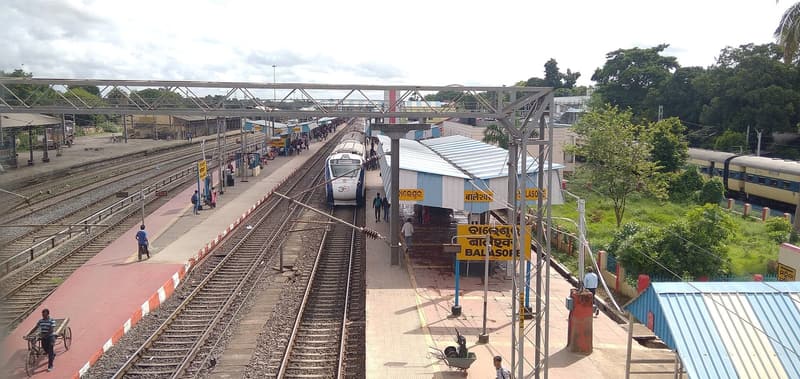
Representative photo · Photo: খাঁ শুভেন্দু / Wikimedia Commons, CC BY-SA 4.0
While improved connectivity is boosting travel, India's tourism sector struggles with uneven distribution and the need for better destination management.
As the nation evaluates how India's economy is growing, the tourism sector presents a complex picture of uneven development. While connectivity has improved significantly, the benefits are not spread equally across the country. Industry experts note that while some regions suffer from overtourism, many areas with high potential remain underdeveloped due to poor accessibility, limited awareness, and inadequate facilities.
Currently, tourism remains heavily concentrated in established circuits like the Golden Triangle, Kerala, Goa, and parts of the Himalayas. According to Rajiv Mehra of the Federation of Associations in Indian Tourism & Hospitality, the Northeast and other regions possess massive potential for nature and adventure tourism but lack the marketing visibility seen in global destinations. He points out that while international travelers are familiar with Japan’s cherry blossoms, India’s own floral festivals remain largely unknown to the global public.
Strategic infrastructure development and better destination management are essential for unlocking India's true tourism potential.
How India's economy is growing through infrastructure
The government has made significant strides in physical connectivity, which is a critical driver for tourism. The expansion of the national highway network by 60 percent since 2014 and the rapid rollout of Vande Bharat trains have drastically reduced travel times. Rajesh Magow of MakeMyTrip notes that these improvements have turned satellite towns within a 300-500 km radius of metro cities into viable tourist destinations. However, industry leaders emphasize that connectivity is only the first step.
Adil Zaidi of EY India suggests that success requires an integrated ecosystem involving private investment and local enterprise. Experts argue that while city-to-city travel has become easier, the "last mile" experience—including parking, hygiene, and crowd management—remains a significant hurdle. Furthermore, the private sector is beginning to play a larger role, with models like the adoption of the Red Fort showing promise for better monument maintenance compared to other sites.
To compete globally, stakeholders suggest that India must simplify visa processes and focus on destination-specific identities. Emerging regions like Odisha’s Buddhist circuit or the Brahmaputra valley require careful planning to avoid the pitfalls of mass-tourism centers, ensuring that local culture and community experiences remain at the forefront of their appeal.
Why it matters
This shift in tourism strategy affects millions of travelers and local economies across India. By moving beyond traditional hotspots, the country can distribute economic benefits more equitably, though it requires states to prioritize administrative improvements and destination management to ensure a high-quality experience for all visitors.
Sources
More like this
Guardian Follows Eight Young People Navigating Career Hurdles

Sabarimala Devotees Can Send Aravana Payasam Via India Post
The hidden cost of Nepal’s rising public debt