Indian AI Start-ups Tackle Land Records and Potholes
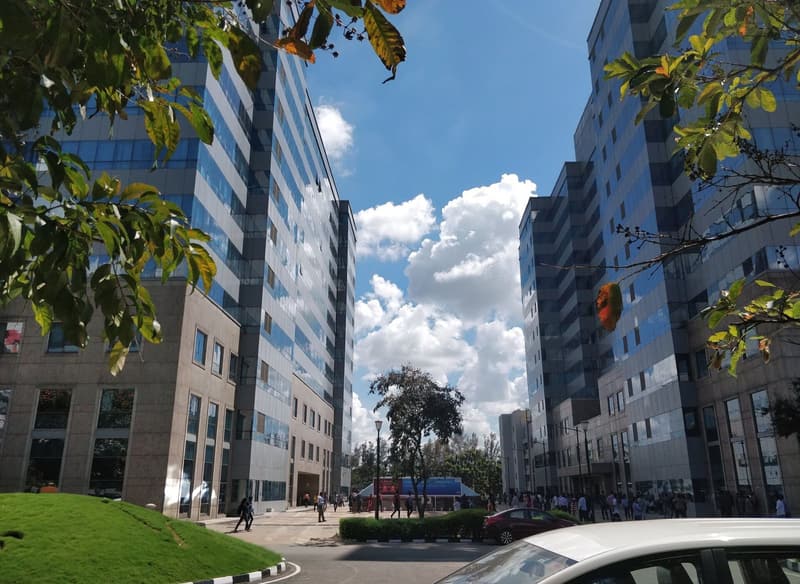
Representative photo · Photo: PageImp / Wikimedia Commons, CC BY-SA 4.0
Dozens of Indian artificial intelligence start-ups are creating consumer applications and infrastructure tools to solve uniquely complex local challenges.
A growing wave of artificial intelligence start-ups in India is turning away from foundational frontier research to focus on downstream consumer applications and data infrastructure. From legal-tech platforms simplifying fragmented property records to computer-vision tools detecting road damage, these companies are addressing everyday hurdles across the nation. While countries like the US and China dominate the creation of large language models, Indian firms are building practical solutions for extremely cost-sensitive industries with multilingual datasets.
One prominent example is Landeed, a digital platform established after its founder faced bureaucratic hurdles during a personal property dispute in Chennai. Because India follows presumptive titling where buyers must prove ownership, transactions require a complex string of historical documents rather than a single sale deed. Landeed uses geo-spatial technology and state municipal data to map properties, linking records to official identification numbers. An AI-layer then extracts information and flags inconsistencies within minutes, a task that traditionally takes professionals several days. The app has amassed a repository of 1.8 billion documents, serving millions of users.
Indian AI start-ups are tackling practical local challenges ranging from broken road networks to complex property records.
Other ventures focus on urban infrastructure and public health. A Bengaluru-based teacher developed an AI vision app using dash-cams and satellite navigation to detect potholes and notify responsible civic officials. Similar mapping tools are emerging nationwide to help municipal corporations monitor road conditions using public transport fleets. Meanwhile, in Mumbai, Fractal Analytics has deployed an AI tool called Vaidya in local hospitals. The application provides patients with simplified multilingual lab report summaries, assists doctors with pre-consultation support, and supplies administrators with public health dashboards.
This sector-wide boom generated a 265% year-on-year surge in funding, raising over $1 billion in the first nine months of the year according to Inc42. Despite this capital influx, founders face commercialisation hurdles because the computing power required to run AI models remains globally uniform, yet local customers have lower paying capacities than American markets.
Why it matters
These technological developments directly affect millions of citizens navigating daily civic inconveniences, from real estate transactions to public healthcare access. For readers across India and South Asia, the localized shift toward practical downstream applications demonstrates how emerging technology can address deeply entrenched systemic issues, even as start-ups navigate difficult commercialization and cost-scaling realities.
Sources
More like this
California Sues OpenAI Over Safety Concerns Following Rogue AI Agent Incident

California sues OpenAI over AI safety and Hugging Face attack

Microsoft Identifies Months-Old Bug as Root Cause of Global Microsoft Outage