EU Ministers Move to Revive Cooperation Agreement with Syria
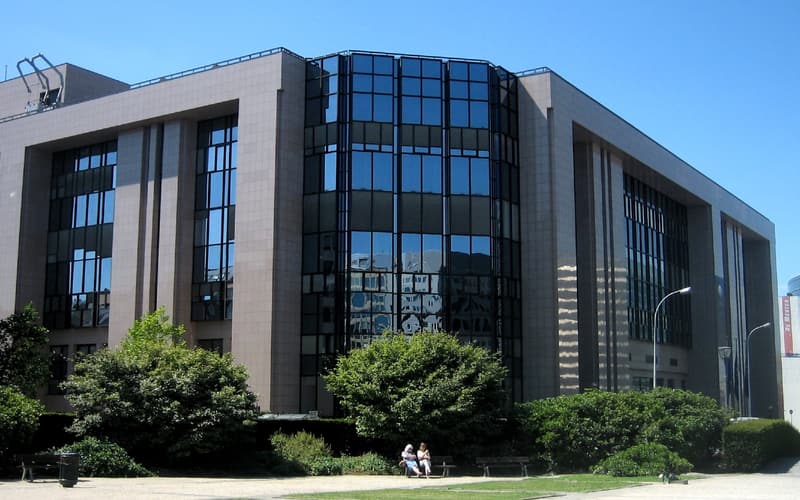
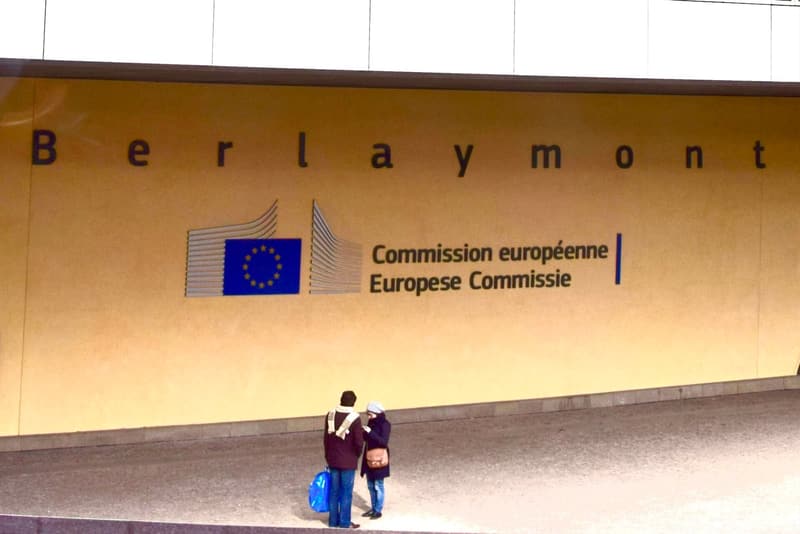
Representative photo · Photo: Ank Kumar / Wikimedia Commons, CC BY-SA 4.0
European Union foreign ministers have agreed to restart a long-dormant cooperation deal with Syria to strengthen ties following the 2024 collapse of the Assad government.
The European Union is taking significant steps to re-engage with Syria, as foreign ministers from the 27-nation bloc have agreed to resurrect a nearly two-decade-old cooperation agreement. This diplomatic push aims to establish a formal framework for trade, political dialogue, and broader cooperation between Brussels and Damascus. The initiative follows the end of the 53-year rule of the Assad family in December 2024, an event that fundamentally altered the political landscape of the Syria country.
Diplomacy and the Future of Syria
EU foreign policy chief Kaja Kallas confirmed that ministers meeting in Brussels have supported moving forward with the original 2008 association agreement, which was never fully ratified due to human rights concerns. Diplomats are now tasked with finalizing the technical and legal requirements for the deal while simultaneously launching negotiations for an updated version. Kallas emphasized that the EU must engage with the nation to prevent a power vacuum that could be filled by other international actors.
"Syria needs investment and a successful transition," Kallas stated, noting that the bloc intends to maintain strict conditions regarding human rights. Furthermore, the EU expects the Syrian government to withdraw recognition of occupied Ukrainian and Georgian territories that were previously acknowledged under the former regime. This diplomatic pivot is part of a broader strategy to support the administration of President Ahmed al-Sharaa and assist in the nation's recovery after nearly 14 years of civil war.
The EU is reviving a cooperation deal with Syria to foster trade and stability after the Assad regime's fall.
Since the conclusion of the 11-day offensive that ended the Assad era, the EU has moved to normalize relations. In 2025, the bloc lifted economic sanctions that had long stifled the Syrian economy. This was followed in early 2026 by the announcement of a 620 million euro funding package intended to support the country over the next two years. These measures are designed to encourage the millions of refugees who fled the conflict to return home and participate in the rebuilding of their homeland.
Why it matters
The decision to revive the association agreement marks a major shift in European foreign policy, signaling a transition from isolation to active engagement with the Syrian state. For the people of Syria, this framework offers a potential path toward economic stabilization and international reintegration.
The move primarily affects the Syrian diaspora and the millions of citizens currently weighing the decision to return and rebuild. By creating a structured dialogue, the EU aims to ensure that the country's transition is supported by trade and investment, rather than being left to external influence.
Sources
More like this
Freeman Johnson, Oldest Known Pearl Harbor Survivor, Dies at 106

Houthi Rebel Advance in Yemen Threatens Global Shipping and Energy Security
Sudanese army air strike kills 13 civilians in West Kordofan