
India's Gen Z Protesters Face Winter Uncertainty After Summer Wins
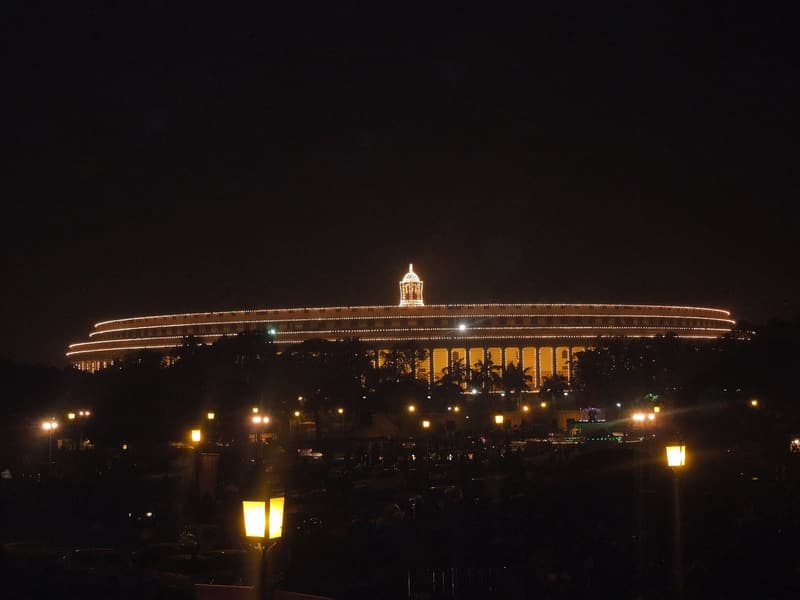
Representative photo · Photo: Sidheeq / Wikimedia Commons, CC BY-SA 4.0
Following a historic summer victory, young demonstrators across India face mounting security restrictions, arrests, and a shifting political landscape.
A wave of political dissent driven by young citizens has encountered a severe winter of uncertainty following significant legislative concessions earlier in the year. Protesters who celebrated the resignation of the federal education minister in July are now finding it increasingly difficult to assemble or voice grievances without facing official pushback.
Demonstrations organized by groups like the Cockroach Janta Party over voting rights recently met with strict restrictions and mass detentions of peaceful participants. Prime Minister Narendra Modi's administration, unaccustomed to widespread mockery and open criticism, has responded with a more forceful security apparatus, invoking public order regulations to curb rising opposition.
Understanding India's Gen Z Protests and State Response
Unlike previous historic movements led by specific demographics, the recent youth demonstrations transcended traditional boundaries of caste, gender, and economic class, attracting even parts of the ruling Bharatiya Janata Party base. Protesters utilized online satire and comedy as a new language to challenge authority, openly mocking the prime minister and breaking longstanding political taboos.
Critics and political analysts point out that while past major agitations—such as the 2020 farmer demonstrations and 2019 citizenship law protests—faced heavy resistance, the current youth-led movement has proven particularly difficult for authorities to dismiss easily. However, leaders of the Cockroach Janta Party and other student organizations have experienced repeated detentions, legal challenges, and the cancellation of authorized protest venues like Delhi's Jantar Mantar.
Youth-led protests in India face growing security crackdowns and legal hurdles following a summer of unprecedented dissent.
The ruling party rejects accusations of heavy-handedness, maintaining that constitutional freedom of expression must operate strictly within the bounds of the law and public security. Meanwhile, legal experts and activists warn that ongoing judicial proceedings and detentions are creating a chilling effect among younger generations.
Why it matters
This shift in the political climate affects civil liberties and youth political engagement across India, altering how dissent is managed and expressed. The changing dynamic tests the boundaries of free speech and public order under the current administration.
Sources
More like this
One Nation candidate stuart bonds faces backlash over demographic comments
Ugandan Succession Tensions Rise As Army Chief Arrests Senior Generals
Gadi Eisenkot Accuses Benjamin Netanyahu of Racist Campaign Against Arab Minority
