Politics
Indonesia Wiretapping Scandal Shakes Leadership
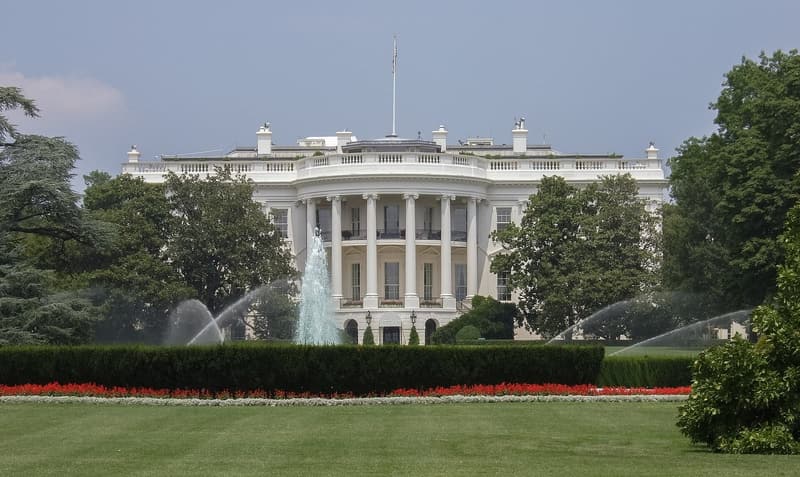
Representative photo · Photo: People's Representative Council / Wikimedia Commons, Public domain
Representative photo · Photo: People's Representative Council / Wikimedia Commons, Public domain
Senior Indonesian police officers are accused of illegally monitoring the president, exposing deep political divisions within the nation.
Indonesia's security establishment is facing a severe political crisis following allegations that senior law enforcement officials engaged in unauthorized surveillance. The widening controversy has placed intense scrutiny on the intelligence apparatus and heightened existing political friction within the administration of Indonesia's president.
Police authorities recently identified four high-ranking officials as suspects in an illegal monitoring operation. Investigators state that the wiretapping targeted the head of state, palace officials, ministries, lawmakers, and various political figures across the country. Authorities claim the intercepted communications occurred without proper legal backing between 2025 and 2026, with personnel subsequently attempting to purge related records.
Senior police officers are accused of illegally monitoring Indonesia's president in a widening surveillance scandal.
Observers note that the surveillance infrastructure remains largely unchecked. Yohanes Sulaiman, an associate professor at Universitas Jenderal Achmad Yani, pointed out that existing laws regarding interception are frequently bypassed due to a lack of strict regulation governing eavesdropping by law enforcement agencies. Analysts from the Australian Strategic Policy Institute further emphasized that intelligence agencies have historically influenced political competition in the country.
The affair has strained relations between current leaders and the previous administration, coinciding with the resignation of the vice president following a court ruling regarding educational credentials. In response to the unfolding instability, the government deployed additional military personnel to the capital as a precautionary measure.
This security breach highlights systemic vulnerabilities within Indonesia's law enforcement and intelligence apparatus. It exposes rival factions within the state and tests the government's ability to maintain institutional stability amidst overlapping political loyalties.