World
Young musicians connect a community across the Line of Control
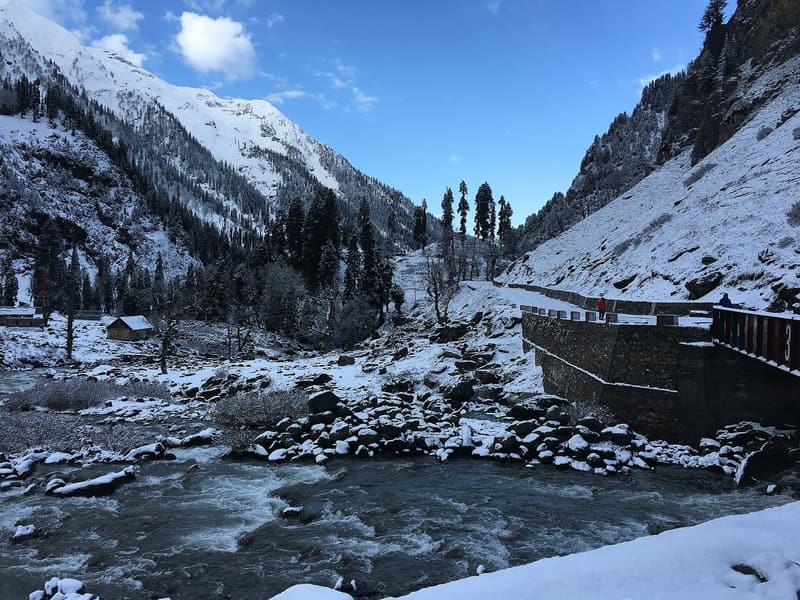
Representative photo · Photo: Akigupta131 / Wikimedia Commons, CC BY-SA 4.0
Representative photo · Photo: Akigupta131 / Wikimedia Commons, CC BY-SA 4.0
Young musicians in Kashmir, Ladakh and Gilgit-Baltistan are using social media to share Shina songs and renew ties across the Line of Control.
In the remote Tulail Valley close to the Line of Control, regional singer Aasim Yaseen connects with his community through music. Across Gurez, Drass and Gilgit-Baltistan, young artists are sharing Shina songs on social media, helping keep their language alive and renewing ties within a population divided for generations. Yaseen was once stopped by a college student who played his recently released song on a mobile phone, showing how online media transcends physical barriers where direct contact is restricted.
While political restrictions, financial pressures and unreliable internet connections challenge these artists, sharing music online provides a safer alternative for a community separated by barbed wire and military checkpoints. Artists began uploading songs on Facebook and YouTube in the late 2010s, and by 2020 residents were using online Shina music to reconnect across the mountains. Prominent contemporary folk singer Salman Paras notes that while families remain politically divided, their hearts beat together through music.
Music helps divided communities connect across borders where direct contact remains restricted.
The music also aids in uncovering lost familial connections. Paras shared that a Shina musician on the Kashmir side discovered his YouTube songs and contacted him after tracing relatives to central Kashmir. Such digital exchanges offer a vital emotional medium to convey messages without direct communication, allowing scattered families to recognise their shared heritage.
This cultural exchange demonstrates how digital media can sustain community bonds and shared languages across heavily militarised borders where families have lost direct contact for decades. It directly impacts Indigenous Shina-speaking populations across the region by offering a safe, indirect method of communication and cultural preservation.