How Iran is surviving amid shifts in US approach and leadership
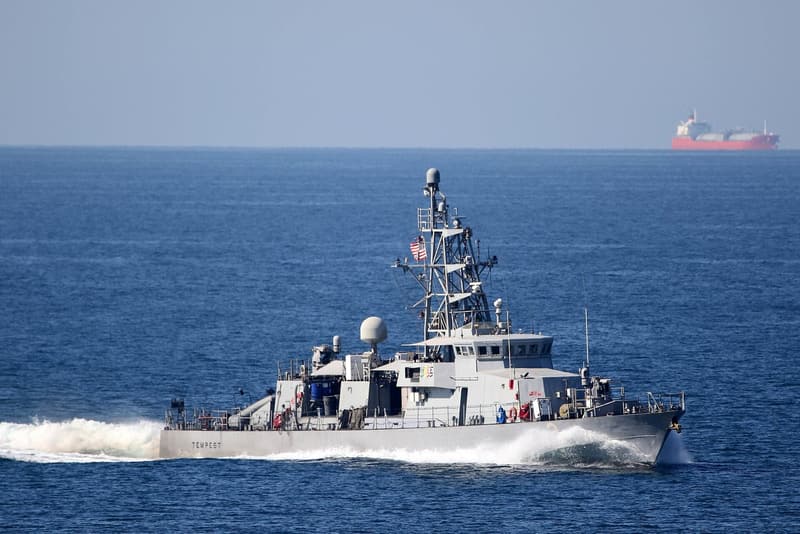
Representative photo · Photo: Official U.S. Navy Page from United Stat / Wikimedia Commons, Public domain
Tehran evaluates the removal of Vice President JD Vance from the Iran file, raising concerns among analysts that heightened conflict may follow.
Decision-makers in Tehran are evaluating the implications of Vice President JD Vance stepping away from the Iran portfolio to concentrate on domestic issues. Observers note this shift could elevate the risk of renewed conflict between Washington and Tehran. Previously serving as the chief U.S. negotiator, Vance was directed by President Donald Trump to shift his attention toward alleged domestic Democratic corruption, with Trump stating that securing a deal with Iran is no longer a primary focus.
Analysts at the University of Tehran suggest the reassignment signals an escalating confrontation with the Democrats following recent midterm election results. Furthermore, the move may align with Israeli interests seeking a harder line against Iran. Vance was previously perceived in Tehran as a more pragmatic administration figure who favored a negotiated settlement due to rising economic burdens on American citizens.
Negotiations remain stalled as deep mistrust persists between the two governments. Iranian officials are demanding specific sequencing and seven distinct conditions to conclude the hostilities, which the U.S. administration has not accepted. Meanwhile, maritime incidents continue in the Strait of Hormuz, where the United Kingdom Maritime Trade Operations has recorded significantly reduced transit volumes and numerous vessel incidents involving naval mines and projectiles.
How Iran is surviving economic pressure
Experts highlight that the ongoing state of neither formal peace nor active major military resolution is placing heavy economic burdens on the Iranian population. With Washington maintaining extensive maritime blockades, overland border disruptions, and isolating sanctions, regional specialists warn that the prolonged economic strain could eventually provoke a more severe military response from Tehran.
Why it matters
Washington believes maritime blockade, overland border disruptions, air restrictions and isolating sanctions are working. This ongoing strategy of economic pressure and no-war status significantly raises daily living costs for the Iranian population, creating a dangerous standoff that experts fear may ultimately trigger military escalations.
Sources
More like this

Trump Latest News: Afghan Deportations Halted Amid Legal and Humanitarian Concerns
SAF Successes in Sudan Kordofan Turn Tide Against RSF

Ethiopia blames Egypt and Eritrea for Tigray attacks