Jim Chalmers promises balanced approach in upcoming mid-year review
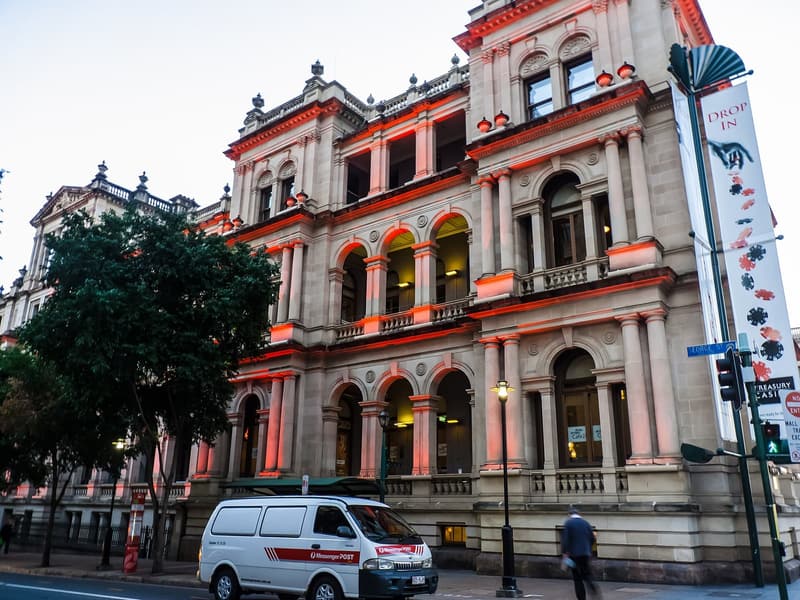
Representative photo · Photo: John Robert McPherson / Wikimedia Commons, CC BY-SA 4.0
Treasurer Jim Chalmers has pledged that the upcoming mid-year budget update will feature significant savings to combat inflation while maintaining economic growth.
Treasurer Jim Chalmers has announced that the forthcoming mid-year economic and fiscal outlook, often referred to as a mid-year review, will aim to strike a balance between fiscal restraint and economic support. Speaking at an Australian Securities and Investment Commission event in Sydney, Chalmers indicated that the government intends to implement substantial savings to address inflationary pressures without stifling national growth.
Navigating the mid-year review
The treasurer emphasized that the government is under pressure to refine its economic strategy following a series of interest rate hikes and ongoing cost-of-living challenges. He argued that the upcoming update will help manage capacity pressures while allowing for responsible relief measures. Chalmers noted that while many advanced economies are experiencing rising interest rates, financial markets currently suggest that Australian rates may have already reached their peak.
The government plans to balance fiscal savings with economic growth in the upcoming mid-year budget update.
Addressing the nation’s fiscal position, the treasurer highlighted that Australia maintains relatively low debt and smaller budget deficits compared to many other advanced nations. He identified savings as the primary focus for the budget update, citing intensifying spending pressures such as higher debt interest and the rising costs of essential services. These measures are also intended to demonstrate the government’s commitment to combating inflation, a challenge that some economists suggest is being exacerbated by both state and federal spending, alongside broader factors like fuel prices and infrastructure investment.
Despite the treasurer’s assertion that the government has achieved $180 billion in savings since taking office in 2022, official budget projections indicate ongoing deficits. The treasury expects a shortfall of $31.5 billion for the current financial year, with further deficits projected for the following two years.
Beyond the fiscal update, the government is currently working to advance tax measures, including a proposed 30% minimum tax on income from discretionary trusts. There is also active debate regarding potential modifications to capital gains tax, including an alternative model proposed by independent MP Allegra Spender that would adjust the discount for active investments. Additionally, Chalmers announced that the Australian Taxation Office will begin consultations on modernizing the business tax system. This initiative aims to reduce administrative burdens for sole traders and simplify fringe benefits tax rules, potentially saving businesses significant time and money annually.
Why it matters
This mid-year review is critical for the Australian government as it attempts to manage public expectations during a period of high inflation and economic uncertainty. The proposed changes to tax systems and the focus on budget savings will directly impact businesses and households navigating current cost-of-living pressures.
For international observers, including those in South Asia, these fiscal adjustments reflect the broader global struggle to balance inflation control with economic stability. The success or failure of these policies will determine the government's ability to maintain its economic strategy amidst mounting political and public scrutiny.
Sources
More like this

Pentagon Denies Claims Linking Deputy Secretary to Goldman Sachs Banker
Mayor Mamdani Announces Disbandment of NYPD Strategic Response Group

UK Government to End NHS Contract with Palantir by 2029