Former DR Congo President Joseph Kabila Leads New Rebel Movement
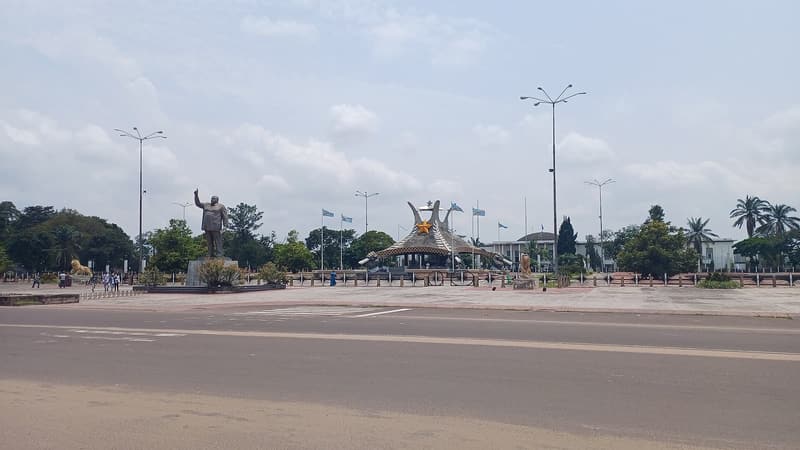
Representative photo · Photo: Henri van der Noot / Wikimedia Commons, CC BY-SA 4.0
Former Congolese President Joseph Kabila has emerged as the head of a new rebel group, escalating tensions with his successor, Félix Tshisekedi.
The political landscape of the Democratic Republic of Congo has shifted dramatically as former president Joseph Kabila has been named the leader of the Front for the Refoundation of the Nation (FRN). This development marks a significant turn for the 55-year-old, who previously served as a commander in the rebel alliance that brought his father to power in 1997 before ruling the country for 18 years. Kabila’s move to lead a rebel movement confirms long-standing suspicions regarding his ties to the M23 group, which has seized significant territory in the eastern provinces.
Former President Joseph Kabila has joined a rebel alliance to challenge the current Congolese government.
Kabila’s transition from head of state to insurgent leader highlights the volatile and ephemeral nature of Congolese politics. In an ironic twist, he is now attempting to topple the very man to whom he transferred power after stepping down. The alliance between the former president and the M23 rebels provides the movement with the political experience and networks of a former leader, while offering Kabila a potential path to reclaim influence. Kabila, who faces a death sentence in absentia for treason and international sanctions, has framed his opposition as a struggle against authoritarianism, accusing President Félix Tshisekedi of violating the constitution.
Despite the gravity of the situation, the path forward for the FRN remains uncertain. While the M23 has achieved military successes in the east, the coalition lacks broad national legitimacy. Furthermore, the C64 opposition coalition has refused to support the rebellion, advocating instead for an inclusive national dialogue. President Tshisekedi, who maintains control over the military and the political system, has dismissed the move as evidence that his predecessor never held the country’s interests at heart. Analysts suggest that while Kabila may be seeking leverage for future negotiations, the capacity for the rebellion to expand its influence beyond the east remains unproven.
Why it matters
The emergence of the FRN threatens to destabilize the Democratic Republic of Congo, a nation critical to the global supply chain for minerals used in electric vehicle batteries and mobile technology. This conflict could disrupt mining operations and regional security.
For readers in South Asia, the instability is significant due to the country's vast mineral wealth. Any prolonged conflict risks affecting global commodity prices and the stability of supply lines for the technology and automotive sectors that are increasingly integrated into the South Asian economy.
Sources
More like this
Donald Trump Targets Abdul El-Sayed at Michigan Campaign Rally
Poland’s President Joins Protest Amid Constitutional Court Crisis
Albanese Seeks Global Reset at Commonwealth Summit Amid Domestic Economic Pressures