Fake Political Polling Exposes Vulnerabilities in US Elections
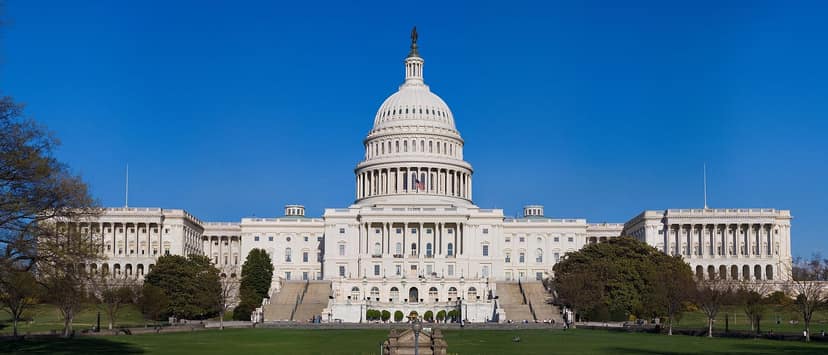
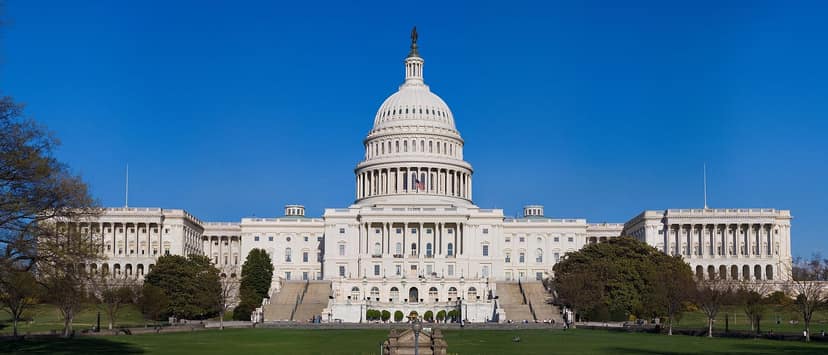
Representative photo · Photo: Noclip / Wikimedia Commons, Public domain
Fabricated survey data circulating during the US midterm election cycle has exposed vulnerabilities in polling aggregators and caused direct fallout for political campaigns.
Fabricated election surveys have pushed fake political polling into the spotlight during the United States midterm election period. The disclosure that several fraudulent operations released made-up figures, with some being picked up by major news organizations and polling aggregators, has sparked serious alarm over how easily false data can acquire credibility across the political landscape.
Earlier this month, Wedgewood Polls publicly admitted on social media that numbers it had circulated for key battleground states—including Michigan, Texas, Ohio, Kansas, and Maine—were completely manufactured. The entity, which began operations in June, claimed the release was an experimental project aimed at highlighting vulnerabilities, lack of oversight, and a low barrier to entry in the American polling industry. Wedgewood argued it wanted to evaluate how quickly fabricated metrics could gain traction, though it subsequently deleted its social media account.
Before the admission, Wedgewood's fictitious data had already penetrated the broader information network. The New York Times confirmed its polling tracker had listed 15 surveys from Wedgewood between June and October before removing them. Although the publication noted the numbers were not used in its national congressional or presidential approval averages, the firm had successfully answered screening queries about its methodology, staff, and funding.
Manufactured political surveys penetrated major aggregators and caused measurable disruption to election campaigns.
Suspicions surfaced when FiftyPlusOne, a polling and forecasting platform, investigated Wedgewood's raw data and technical identifiers, uncovering inconsistencies that forced the company's admission. Data journalist G Elliott Morris stated that investigators caught the firm fabricating data, rejecting its claim of conducting an innocent social experiment. This development marks the second major incident in the 2026 election cycle, following a similar admission in August by Median Strategies.
The fallout has extended directly into real-world politics. Mallory McMorrow, an unsuccessful contender in Michigan's Democratic Senate primary, suspended her bid in July after a Wedgewood survey placed her support in the single digits. McMorrow revealed that the manufactured figures crushed volunteer morale, dried up campaign donations, and prompted journalists to ask whether she should drop out of the race.
Why it matters Fabricated surveys are adding to tensions in the country's increasingly polarised political environment. These datasets can be weaponised to cast doubt on the electoral process, and when bad actors are unmasked, their existence can be leveraged to undermine overall voter confidence in election information.
Sources
More like this
Poland’s President Joins Protest Amid Constitutional Court Crisis
Albanese Seeks Global Reset at Commonwealth Summit Amid Domestic Economic Pressures

Brazil summons Argentine diplomat over Flavio Bolsonaro's flight to US