Palestine Weekly: Political shifts in Israel amid continuing occupation
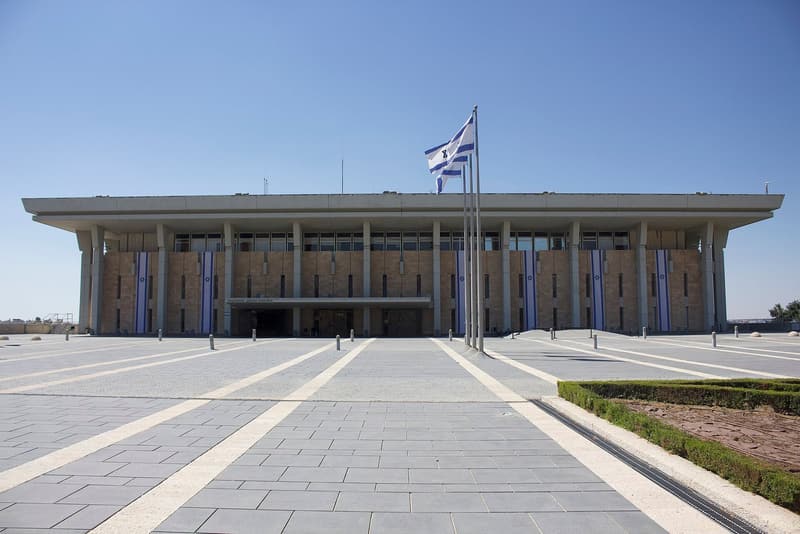
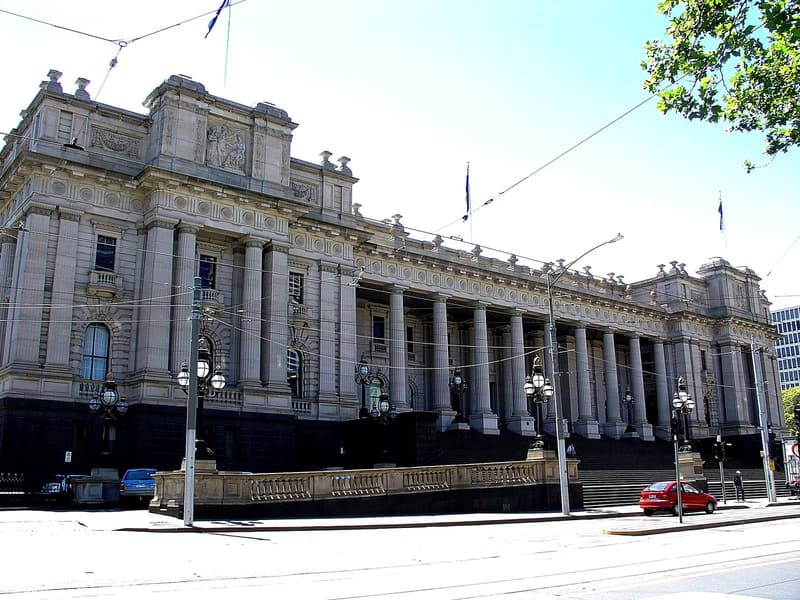
Representative photo · Photo: Clema12 / Wikimedia Commons, CC BY-SA 4.0
As Israel faces a potential political reshuffle with Gadi Eisenkot's bloc angling for power, military attacks and settler violence continue across Gaza and the West Bank.
As readers follow the palestine weekly updates, Israel's parliament is set to replace its speaker as part of a wider rearrangement of power. Opposition leader Gadi Eisenkot's bloc is actively working to form a government, while current political leaders clash over policy and the role of Arab-led parties. Meanwhile, for Palestinians on the ground, the ongoing machinery of military occupation, displacement, and deprivation continues unabated.
Over the past week, intense military operations across the Gaza Strip resulted in dozens of deaths, including strikes targeting medical facilities and displacement tents. According to Gaza's Ministry of Health, the death toll since the October 2025 ceasefire has risen significantly. An Israeli strike on the Nasser Medical Complex in Khan Younis hit the surgery building, killing six people, including a surgeon, and injuring dozens. The military stated it was targeting a Hamas commander and alleged the hospital housed a command centre, a claim that drew widespread condemnation from international foreign ministers who labeled the attack a violation of international humanitarian law. Additional strikes across Gaza hit tent camps and residential areas, while the region recorded its first winter hypothermia death with the loss of a nine-month-old baby following heavy rains.
Escalating Violence in the West Bank
In the occupied West Bank, the olive harvest has seen unprecedented violence with hundreds of recorded incidents. Two major settler attacks escalated into full-blown pogroms against Palestinian communities. In al-Lubban Asharqiya, dozens of masked settlers set fire to a scrapyard, vehicles, and olive trees, causing extensive property damage. Similar attacks occurred near Ramallah and other areas, while unauthorized outposts were repeatedly re-established despite temporary military evacuations. Residents reported that Israeli forces frequently stood by without intervening as settlers threw stones and disrupted daily life.
Political power shifts in Israel offer no relief from ongoing violence and displacement for Palestinians.
Political maneuvering in Tel Aviv has highlighted deep divisions over representation and governance. Prime Minister Benjamin Netanyahu addressed parliament with remarks targeting Arab-led parties, while reports surfaced regarding investigations into election-day arrests and proposed wiretaps on Palestinian members of parliament. Although Eisenkot condemned the anti-Arab rhetoric as racist and violent, his bloc has ruled out partnering with Arab-led parties, choosing instead to negotiate with ultra-Orthodox factions to secure a parliamentary majority.
Why it matters
This ongoing political transition demonstrates that changes in Israel's leadership structure may yield little substantive difference for Palestinians experiencing daily military operations, medical facility bombardments, and settler violence. The domestic power struggle prioritizes coalitions with religious and nationalist factions over addressing humanitarian crises or the underlying dynamics of the occupation.
Sources
More like this
Serbia’s Student List Candidates Set for Parliament Oath
Campaigners Urge Prime Minister to Boost International Rail to Reset UK-EU Ties
CFMEU Inquiry Hears Bandidos Member Was Pushed for Site Job