US Lawmakers Push for Tougher AI Chip Rules Amid China Export Crackdown
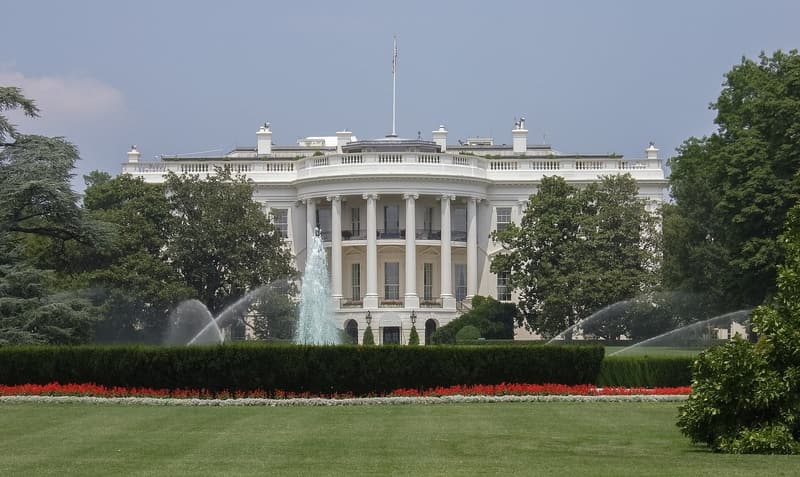
Representative photo · Photo: Noclip / Wikimedia Commons, Public domain
Washington is tightening restrictions on remote access to advanced AI chips, but lawmakers are calling for more comprehensive oversight of the global semiconductor industry.
United States lawmakers are calling for more robust regulatory frameworks to manage advanced artificial intelligence technology as global scrutiny intensifies regarding the flow of computing power to China. While the Department of Commerce recently implemented new rules to restrict remote access to high-end AI chips, officials and legislators argue that current measures are insufficient to address broader national security concerns. The push for stricter oversight comes as many wonder if lawmakers push for AI kill switch mechanisms or similar controls to maintain technological sovereignty.
Addressing the Computing Loophole
The Bureau of Industry and Security (BIS) recently introduced a mandate requiring data center operators in countries like Thailand, Indonesia, Malaysia, Singapore, and Brazil to secure special licenses for purchasing advanced US-manufactured chips. This action aims to close a loophole that previously allowed companies to bypass export controls by accessing computing power through third-party data centers. The move follows concerns about potential chip diversion, particularly after allegations involving Nvidia hardware and suspected intelligence activities.
Democratic Representative Pramila Jayapal has been at the forefront of these legislative efforts, advocating for a federal charter system for AI companies. This proposed framework seeks to impose strict safety mandates and pre-release testing requirements similar to those used for nuclear materials. Jayapal and other members of the House Judiciary Committee are also investigating whether Commerce Secretary Howard Lutnick failed to adequately address the smuggling of advanced chips to Chinese entities.
Stricter regulations are being sought to prevent advanced AI chips from reaching restricted international markets.
Global Competition and Enforcement
Despite the US holding approximately 75 percent of global AI computing power, analysts suggest that export controls have had limited success in curbing China’s long-term ambitions. Stephen Ezell of the Information Technology and Innovation Foundation noted that while US actions may temporarily slow progress, China remains committed to developing its own domestic semiconductor capabilities. Meanwhile, President Trump has indicated plans to penalize companies that develop data centers abroad, though the specifics of such enforcement remain unclear. China has officially rejected these restrictions, characterizing them as economic coercion.
Why it matters
The ongoing regulatory shift reflects a growing determination in Washington to control the global AI supply chain and prevent the consolidation of critical computing power in adversarial nations. For the international community, including regions like South Asia, these rules may disrupt established data center operations and increase the cost of accessing high-performance computing resources.
Sources
More like this

Anthropic mathematician claims AI helped prove the Riemann hypothesis

Government Operation Thwarts Cyber-Attack on UK Refrigeration Systems

UK Cyber-Security Operation Secures Thousands of Fridge Freezers