Lisk and Recall Foundation Detail Asset Exit Paths Following Chain Shutdowns
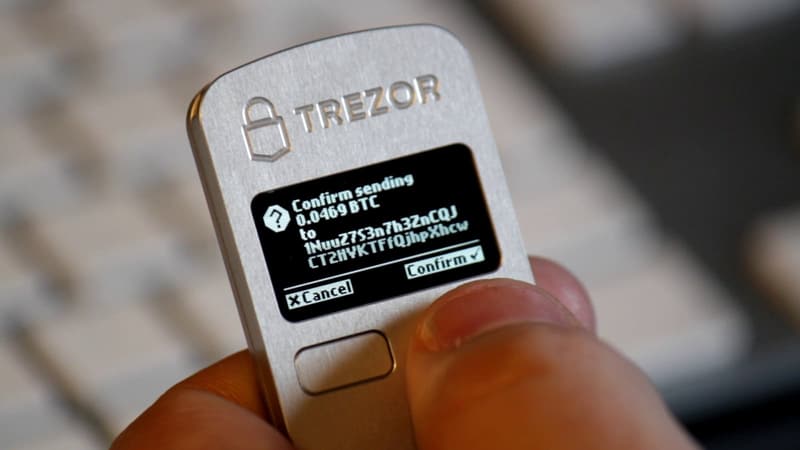
Representative photo · Photo: The original uploader was Ladislav Mecir / Wikimedia Commons, CC BY-SA 3.0
As Lisk and Recall Foundation wind down, token holders face complex manual processes to manage their assets, highlighting the distinction between token ownership and access to funds.
This is news, not investment advice. NexVani Media is not a SEBI-registered investment adviser and does not recommend buying or selling any security. Do your own research or consult a registered adviser before investing.
The recent closures of the Lisk and Recall Foundation networks serve as a stark reminder that understanding the difference between your yours and the underlying infrastructure is critical for crypto holders. Investors often assume that holding a token equates to automatic access to assets or treasury proceeds, but as these projects wind down, it has become clear that ownership alone does not guarantee a simple exit path.
Lisk has transitioned into a business finance platform, with its LSK token continuing as a loyalty asset. While LSK held on Ethereum or exchanges remains unaffected, those who left assets on the project's former Ethereum layer 2 network have lost their primary exit interface. Following the closure of its portal and bridge on November 2, the project announced plans for a manual claims process in January 2027. Details regarding eligibility and recovery steps remain unspecified, and the project clarified that this plan does not reopen legacy claim windows that closed in May 2026. Furthermore, approximately 5.2 million LSK in rewards contracts are slated to be burned.
Navigating your yours and recovery
The Recall Foundation is following a different trajectory as it winds down operations. The organization scheduled its application to become read-only on November 30, requiring users to document contract withdrawals manually. Unlike some projects that offer buybacks, the Foundation has stated it will not provide redemptions or proportional treasury distributions, instead allocating remaining funds toward creditors and wind-down costs. While the Foundation removed the cooldown period for new unstaking requests, it noted that existing requests must still adhere to their original withdrawal timelines.
Token ownership does not guarantee access to assets or treasury proceeds when blockchain infrastructure shuts down.
These events underscore that a token balance does not dictate who must act to release funds or which specific infrastructure must remain operational. In both cases, users are left to navigate manual procedures that require active engagement with smart contracts. For Lisk, the process remains under development, while Recall Foundation users must rely on their own ability to execute transactions on the Base network before the project's interface becomes inaccessible.
Why it matters
These developments illustrate the fragility of digital asset access when project infrastructure is decommissioned. For investors, the reliance on manual intervention after a chain shutdown highlights the necessity of monitoring project disclosures and understanding the specific technical dependencies of their holdings.
This shift affects all global token holders who have interacted with these protocols, as the ability to recover funds now depends entirely on the successful execution of manual claims or contract withdrawals. Users must distinguish between their token balances and the underlying mechanisms required to claim value from treasury or reward pools.
Sources
More like this

Robinhood Launches Access to US IPOs for UK Retail Investors

Why Wall Street Can Utilize Tokenized Funds Without Holding ETH
Bitcoin Price Eyes $73K Amid Nvidia Volatility: Three Things to Know