US-Backed Mineral Highway: Can Canada or Other Nations Benefit from the Lobito Corridor?
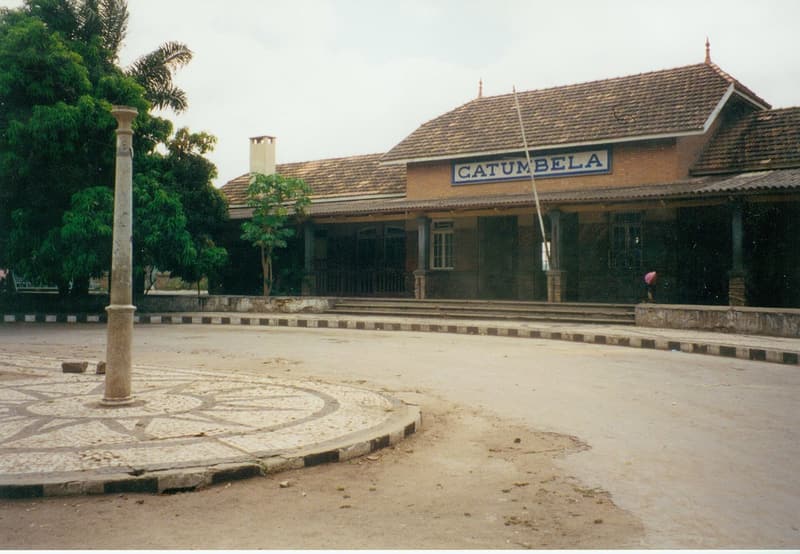
Representative photo · Photo: Claus Bunks aka Afrobrasil on flickr / Wikimedia Commons, Public domain
The Lobito Corridor is a US-backed railway project designed to secure critical mineral supplies from DR Congo, aiming to boost regional stability and provide an alternative to Chinese-dominated routes.
As trains carrying thousands of tonnes of copper from the Democratic Republic of Congo roar through her community, 20-year-old Manuela Julia is not thinking about critical minerals or billion-dollar investments. For residents in Catumbela, near the Angolan city of Lobito, the railway has simply made local travel cheaper and more convenient. Yet, while some wonder if Canada or other global players will eventually play a role in this shifting landscape, the project has ambitions far larger than local transport.
The Strategic Importance of the Lobito Corridor
The Lobito Corridor is a US-backed effort to secure access to Africa's critical minerals and promote regional economic cooperation. Washington hopes this initiative will help bring peace to the conflict-torn eastern DR Congo. The project links the mineral-rich south of the country to Angola's Atlantic coast via the Benguela Railway and the Port of Lobito. Its importance has grown as demand for copper and cobalt rises, driven by the global transition to cleaner energy, as both are essential for electrical components.
According to Johannesburg-based political risk analyst Wellington Muzengeza, the timing of this development is critical. He notes that electrification and the global energy transition have significantly increased the strategic importance of cobalt, copper, and reliable mineral supply chains. The US views this corridor as a vital means to diversify its mineral supplies and reduce reliance on China, which currently dominates much of the world's processing capacity.
The Lobito Corridor aims to secure critical mineral supply chains while promoting regional economic stability in Africa.
Infrastructure and Economic Ambitions
The project has attracted over $750m in funding, backed by the US International Development Finance Corporation and the Development Bank of Southern Africa, to upgrade tracks, signalling systems, and trains. Originally built in 1902, the railway was reopened in 2015 following years of disruption during the Angolan civil war. Under agreements brokered by the US, DR Congo and Rwanda have committed to greater economic cooperation, including more transparent supply chains.
At the Lobito mineral terminal, the impact is already visible. The Lobito Atlantic Railway (LAR), which holds a 30-year concession to operate the route, reports that freight volumes have more than doubled since January 2024. The company expects to transport approximately 200,000 tonnes of copper through the corridor in 2026. For mining companies, this provides a shorter, more efficient route to international markets, primarily the United States, rather than exporting east toward China.
Why it matters
The Lobito Corridor represents a significant shift in how global powers engage with African infrastructure to secure resources essential for the green energy transition. By formalising the mineral trade, the project aims to curb illicit markets that have historically financed armed groups and fueled regional instability.
For the international community, this development changes the logistics of mineral exports, potentially lowering costs and increasing supply chain transparency. While the focus remains on Central Africa, the project's success in stabilising the region and diversifying global mineral access will have broad implications for international trade and energy security.
Sources
More like this

Saudi-led Coalition Strikes Houthi Targets as Conflict Escalates Near Aden

Palestinians Seek Refuge in Ancient Caves After Israeli Home Demolitions

Latin America's mega-prisons: Evaluating the El Salvador model