Politics
Pete Hegseth Adviser Faces Questions Over Defense and Industry Ties
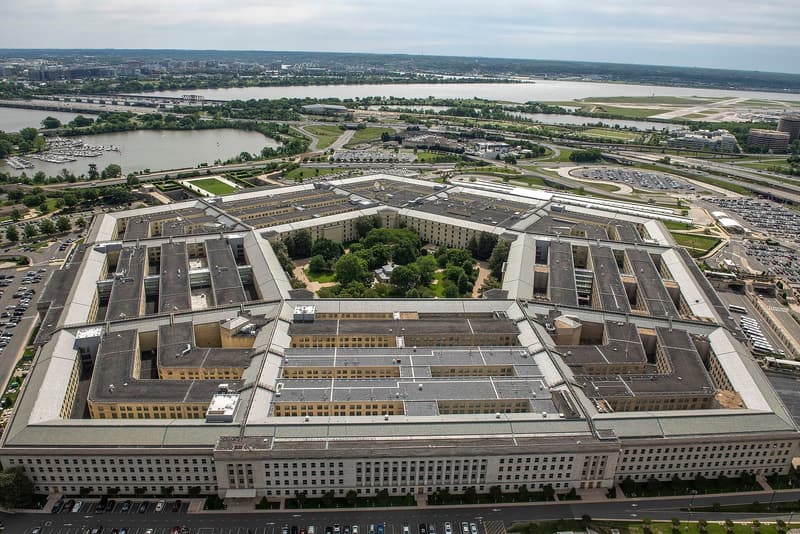
Representative photo · Photo: Air Force Staff Sgt. Brittany A. Chase, / Wikimedia Commons, Public domain
Representative photo · Photo: Air Force Staff Sgt. Brittany A. Chase, / Wikimedia Commons, Public domain
Key Pete Hegseth adviser Norm Coleman faces questions over potential conflicts of interest regarding his roles with the US defense department, Saudi Arabia, and an Israeli defense contractor.
Former Republican senator Norm Coleman has emerged as a key figure of interest regarding potential conflicts of interest after being appointed as vice chairman of the Pentagon Defense Policy Board. While navigating confirmation hearings for his nomination as defense secretary, Pete Hegseth acknowledged Coleman as an informal guide and mentor. Coleman's subsequent appointment to the defense advisory committee has brought his multifaceted career into sharp focus, raising questions about overlapping loyalties.
Coleman serves in several prominent positions, including chairman of the Republican Jewish Coalition and lobbyist for Saudi Arabia. Last year, he added another role as senior adviser to Kinetica, an Israeli weapons company positioned to benefit from deeper integration between the US and Israeli defense industries. Government watchdogs and ethics experts have raised concerns that his roles as a lobbyist and adviser create significant conflicts while advising the Pentagon on defense procurement and strategic planning.
Norm Coleman's multiple roles create potential conflicts of interest on the Pentagon Defense Policy Board.
It is not illegal to simultaneously work as a lobbyist and advise the Pentagon. However, ethics critics point out that Coleman's ongoing lobbying disclosures—including work for drone detection systems, semiconductor manufacturers, and AI data center developers involving agencies like the Department of Defense—highlight the challenge of maintaining undivided loyalty while serving government and corporate interests simultaneously.
The overlapping roles of key defense advisers highlight ongoing debates surrounding corporate influence and potential conflicts of interest within US military leadership and policy-making bodies.