London's urgent race to make artificial intelligence safer
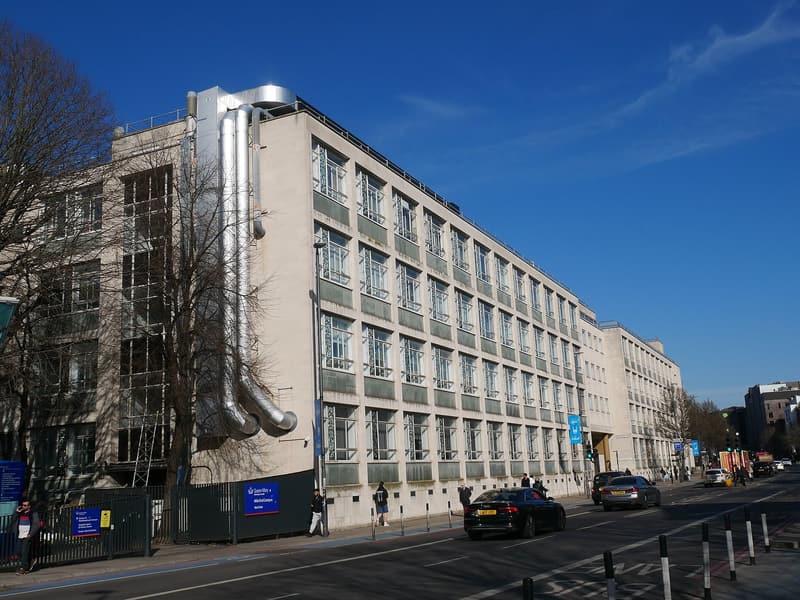
Representative photo · Photo: Doyle of London / Wikimedia Commons, CC BY-SA 4.0
London is emerging as a global leader in AI safety, with dozens of organisations focusing on responsible technology and risk mitigation.
Long before artificial intelligence became a regular fixture of news headlines, the British capital had quietly been positioning itself as a central hub for safety initiatives. As AI systems grow increasingly powerful, a expanding network of policymakers, researchers, and campaigners in London is dedicating efforts to ensure these models serve society while preventing potential harm. Often regarded as Europe's leading AI centre, the city hosts major operations for Google DeepMind alongside a substantial base established by Anthropic.
According to the London AI Hub, a community and co-working space for AI entrepreneurs, as many as 50 organisations within the capital are now entirely dedicated to AI safety. Among these is the UK's AI Security Institute, noted as the first state-backed entity designed to evaluate leading models for risks such as cyber misuse both before and after their release. Another participant is Apollo Research, which investigates whether advanced systems might act against human interests through deceptive behaviour. Meanwhile, the London Initiative for Safe AI is preparing to move into a prominent headquarters in King's Cross.
London has established a growing ecosystem dedicated to ensuring artificial intelligence remains safe and beneficial.
To address mounting concerns, the government has allocated substantial financial backing toward AI security, tackling potential threats that range from automated cyber-attacks to advanced models operating beyond human control. Biological security has emerged as a major focus for investigators. While technology can accelerate the creation of beneficial medicines, experts have warned it could simultaneously lower barriers to developing hazardous pathogens. Consequently, authorities are establishing an AI Biosecurity Lab, partnering with organizations like Basecamp Research in central London to develop vaccines and protective measures against future pandemics.
Professor Hannah Fry has expressed optimism regarding the capital's trajectory, noting that scientific expertise and technological capability position the UK as a distinctive global hub focused on ethical technology rather than pure hyper-capitalism. However, challenges remain. Gina Neff from Queen Mary University of London emphasises the importance of broadening access to cutting-edge models beyond a small group in northern California, pointing to the UK's regulatory sandboxes as a valuable tool for testing emerging technologies in controlled environments.
Why it matters The capital's growing focus on responsible technology shapes how global guardrails are established for emerging systems. By combining state-backed evaluation bodies with private research and regulatory testing environments, the region aims to influence international safety standards and mitigate risks associated with advanced digital models.
Sources
More like this

Two groups verify mathematician’s claim that Claude helped solve math problem

FBI National Crime Database Suffers Suspected Breach

Techie Rejects 35 LPA Bengaluru Job Offer