What a lower council tax rise could mean for Calderdale residents
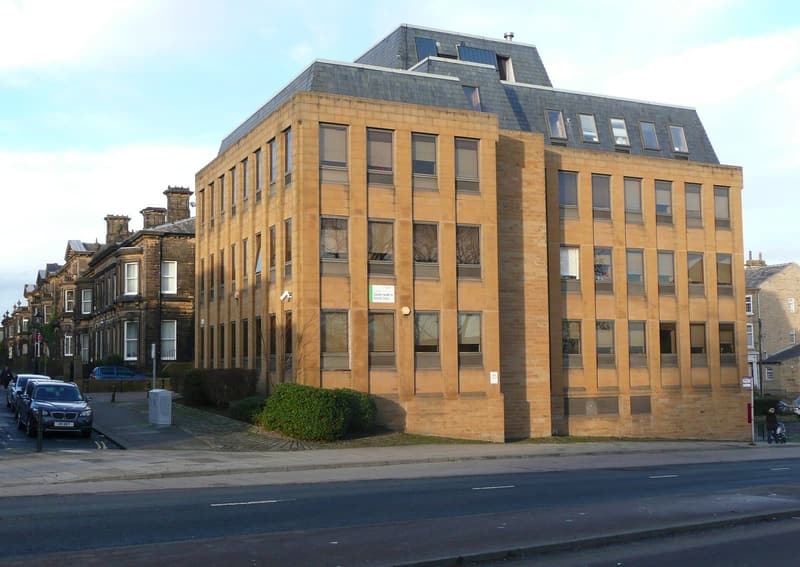
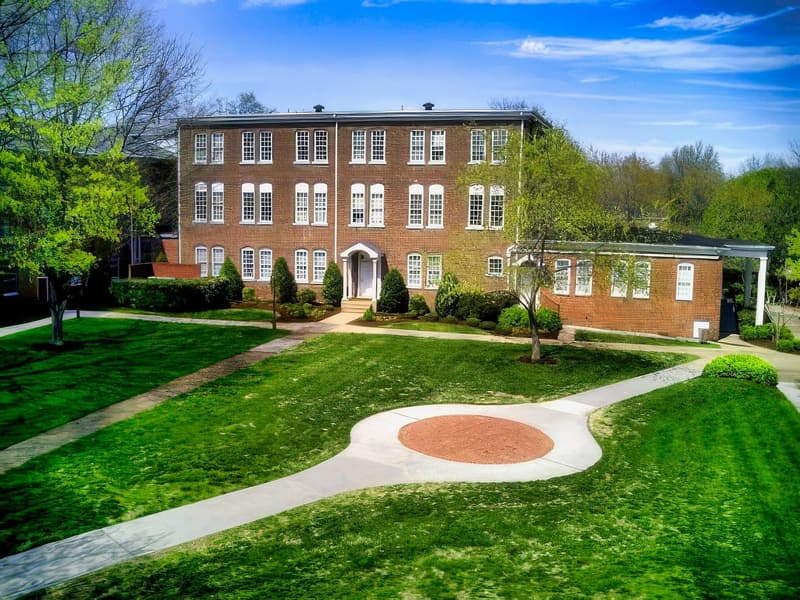
Representative photo · Photo: Humphrey Bolton / Wikimedia Commons, CC BY-SA 2.0
Calderdale Council's leader has committed to a lower tax rise than expected, sparking debate over service impacts.
Autumn brings financial planning for local authorities across the country as they set budgets for the year ahead. Traditionally, local government bills rise by 4.99 percent annually, which includes a protected portion for adult social care. Increases beyond this threshold require a referendum or special government approval, as seen in Bradford where rates climbed by nearly 10 percent to address funding gaps, debt, and service demands.
However, Calderdale Council's Reform UK leader, Dan Sutherland, stated he would commit to keeping next year's increase below the maximum permitted amount. During the election campaign, the party pledged to avoid matching increases implemented by other groups and promised to target excessive waste instead. Despite this pledge, a report prepared for senior councillors highlights significant financial pressures, projecting an 18.7 million pound gap between spending and available revenue by 2030 unless current expenditure levels are successfully reduced.
Calderdale Council faces an 18.7 million pound budget gap by 2030 amid plans to limit tax rises.
The report outlines multiple options for local billing between April 2027 and 2028 for standard band D households. One option sets the annual bill at 2,126 pounds, representing a 10 pound reduction compared to the maximum increase, which would require the council to find approximately 658,000 pounds to balance the books. A deeper reduction would set the bill at 2,115 pounds, saving residents 21 pounds over the year but leaving the local authority with a 1.3 million pound shortfall to cover.
What lowers council tax increases for local authorities
Expert analysis from Professor Tony Travers of the London School of Economics indicates that while keeping increases below the maximum is achievable, it creates a difficult trade-off between desired services and low bills. Travers notes that government funding settlements assume authorities will raise rates by the maximum amount, and missing consecutive years permanently holds down the revenue base for the future. Elsewhere, Nottinghamshire County Council successfully raised its rates by 3.99 percent through operational efficiencies, including reduced reliance on agency staff.
Why it matters
The financial decisions made by local authorities directly impact the funding available for essential community services such as waste collection, parks, libraries, and social care. Choosing to limit rate increases can provide immediate financial relief for households, but it forces councils to find alternative savings or accept funding shortfalls that may influence the delivery of local public services.
Sources
More like this
Pete Hegseth calls impeachment bid a stunt by Trump critics
Pentagon Chief Hegseth Rejects US House Impeachment Push as Farce
White supremacist Nick Fuentes linked to student political coalition