Trump Seeks War Cost Reimbursement From Israel and Gulf Allies
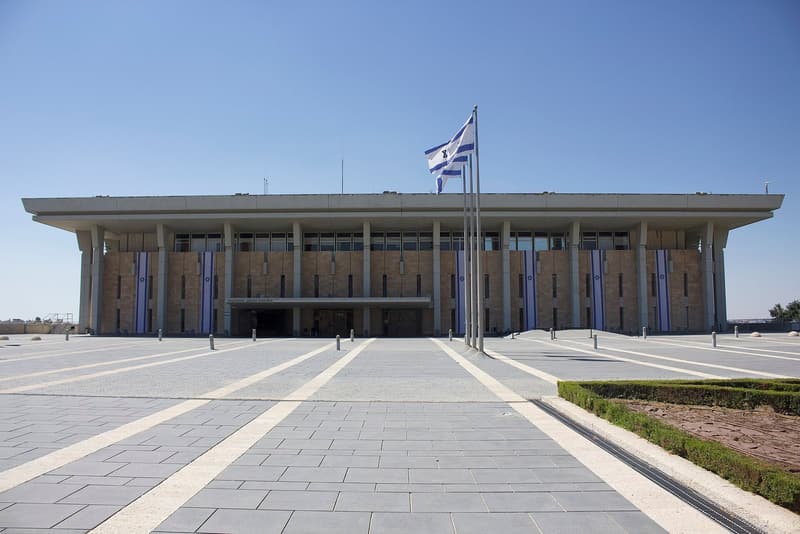
Representative photo · Photo: Clema12 / Wikimedia Commons, CC BY-SA 4.0
President Donald Trump plans to demand full repayment from Israel and Gulf nations for costs incurred during the recent military conflict with Iran.
United States President Donald Trump has announced that his administration intends to seek full financial compensation from countries protected by the U.S. during the recent war with Iran. In a recent interview, the President stated that these nations would be required to cover all expenses associated with the conflict, asserting that they would not exist without American military intervention. This marks the first time the President has explicitly included Israel in his list of countries expected to provide reimbursement, having previously targeted Gulf states such as Saudi Arabia, the UAE, Qatar, Bahrain, and Kuwait.
President Trump demands that Israel and Gulf allies fully reimburse the United States for Iran war costs.
Trump Israel and Iran relations
The President’s demand comes following a difficult midterm election cycle, which he acknowledged was influenced by public frustration regarding the Iran war. While he has described the conflict as militarily concluded, the financial implications remain significant. The Congressional Budget Office estimated in September that the war carries an ongoing cost of $2 billion to $3 billion per month, a figure that excludes the expense of repairing damaged regional military bases. Trump has defended his decision to initiate the war, claiming it was necessary to neutralize Iran's nuclear capabilities.
While the U.S. and Israel acted as joint partners in the conflict, Gulf nations have maintained that they were not consulted regarding Washington’s strategic plans. These countries have instead faced the direct impact of retaliatory strikes and have consistently advocated for diplomatic solutions to de-escalate tensions. Analysts suggest that the President’s rhetoric may be driven more by domestic political pressures than by a concrete policy shift. Experts noted that the administration is likely seeking to divert attention from election results by identifying external parties to blame for the war’s costs.
Regarding the potential for actual payments, observers suggest that while direct cash transfers from Gulf states are unlikely, the U.S. might leverage existing trade agreements or push for increased investment to offset the financial burden. Some analysts believe the President may be more serious about seeking economic concessions from Israel, particularly given the recent announcement that U.S. aid to the country will cease at the end of the year.
Why it matters
Analysts view these comments as political signaling rather than a formal policy proposal. While the demand creates diplomatic friction, it is primarily seen as a move aimed at domestic consumption to address voter discontent. The potential for redefined trade or investment agreements could have long-term economic implications for regional stability.
Sources
More like this
Pete Hegseth to Hold News Briefing Amid Impeachment Push

Labour Deputy Slams Trial Tactics as Russell Brand Goes to Jail

Nearly 20,000 households eligible for £250 heating oil support in Wales