Rubio Dismisses Concerns Over Recent Series of US Tech Outages
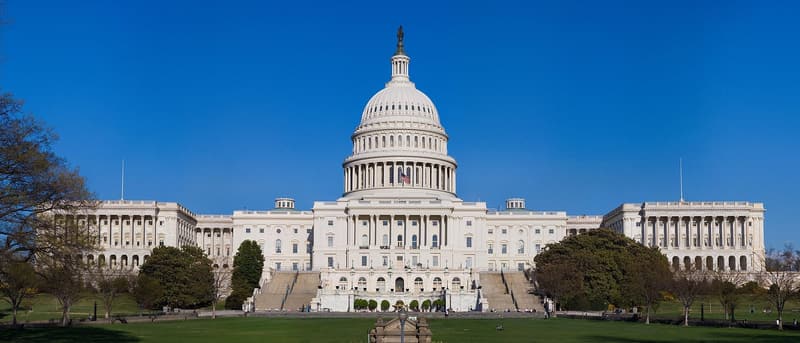
Representative photo · Photo: Noclip / Wikimedia Commons, Public domain
Secretary of State Marco Rubio has stated there is zero evidence of a coordinated attack behind a recent wave of technical disruptions affecting major US infrastructure.
US Secretary of State Marco Rubio has addressed public anxiety surrounding a recent string of technical failures, asserting that there is no evidence to suggest the events are interconnected. While many have speculated online that the disruptions might be part of a larger plot, Rubio, often referred to as Rubio in political discourse, emphasized that the nation is not under a systemic attack. He stated that every event appears to have an independent cause unrelated to hostile actors or cyber-criminals.
Over the past week, the United States has experienced a series of technology-related glitches. The sequence began last Thursday with a significant Microsoft outage that impacted various services, including email. This was followed by a national ground stop by the Federal Aviation Administration, which halted flights for over four hours. The Department of Transportation attributed this to outdated equipment and a copper wire upgrade. Subsequent days saw further issues, including a technical failure at United Airlines, a software problem at JPMorgan Chase, and internal updates at Apple that affected iCloud and Apple Pay. Additionally, a network used by the National Security Agency experienced a temporary outage.
Official reports confirm the recent wave of US technology outages are unrelated and not caused by cyber-attacks.
No evidence of systemic attack
Rubio’s comments align with those of Director of National Intelligence Jay Clayton, who noted that many institutions are currently performing system patches and upgrades, which can lead to operational disruptions. Every affected entity has maintained that their specific issue was technical in nature rather than the result of an external cyber-attack. Cybersecurity experts support this assessment, noting that the infrastructure powering global networks is aging and under increased strain as it undergoes rapid modernization.
Kris Beevers, CEO of NetBox Labs, explained that much of the world's core infrastructure relies on technology that is 30 to 40 years old. He described the current situation as a challenge of managing significant technical debt while trying to implement updates quickly. Sherrod DeGrippo of Palo Alto Networks added that these incidents highlight the fragility of digital systems, where a single software bug or router failure can cause cascading effects across the country. Rubio suggested that the most effective way to address public fear is for the government to maintain transparency and share all known information with the American people.
Why it matters
The recent outages underscore the vulnerability of legacy digital infrastructure as it faces pressure from rapid technological upgrades. This situation highlights the potential for widespread disruption when core systems, such as banking and aviation, rely on aging networks. For global citizens, including those in India and South Asia, these events serve as a reminder of the interconnected nature of modern digital services and the inherent risks involved in maintaining global network stability.
Sources
More like this
Paris Hilton and AOC Speak Out Against AI Deepfakes
British Hacker Sentenced to Six Years in US Prison Over Crypto Theft Scheme

Major Study To Explore Social Media Ban