Thailand scrambles for clean water after Myanmar linked arsenic pollution
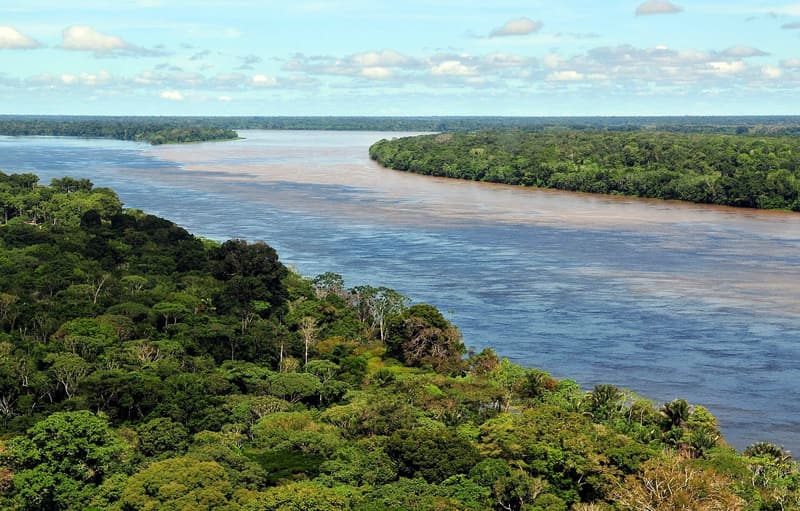
Representative photo · Photo: Iudexvivorum / Wikimedia Commons, CC0
Thai authorities are scrambling to supply clean water to thousands of households after dangerous arsenic levels were detected in northern water systems.
Thai government authorities have launched an emergency response to supply clean drinking water to over 20,000 households in northern regions following the detection of dangerous arsenic levels in local water supplies. Officials have linked the contamination to mining operations across the border, creating a severe public health and environmental challenge. Prime Minister Anutin Charnvirakul directed relevant agencies to identify alternative water supplies and monitor tap water quality closely in Chiang Rai province, according to deputy government spokeswoman Lalida Persvivatana. Tap water delivery to multiple villages in the Mae Sai district was suspended after tests revealed arsenic concentrations sitting at thirty times above safe limits within the local waterworks. Further testing uncovered significant arsenic pollution in untreated water originating from the Sai River, a tributary belonging to the Mekong River network, measuring twenty-five times higher than standard drinking water limits. To mitigate the immediate crisis, authorities deployed two trucks to distribute safe drinking water while exploring other river sources. Researchers from Naresuan University reported that chemical analysis and satellite modeling successfully connected much of the sediment containing arsenic in the Sai River to gold extraction sites located in neighboring Myanmar. Analysts attribute the hazardous heavy metal concentrations in Thai waterways to an expansion of rare earth mining activities within rebel-controlled regions of Myanmar that supply processing facilities in China. The ongoing civil conflict in Myanmar permits unregulated exploitation of vital natural resources utilized for manufacturing electric vehicles, wind turbines, and smartphones. During a diplomatic visit to meet government officials in Myanmar, Thai Foreign Minister Sihasak Phuangketkeow formally raised concerns regarding the dramatic surge in Sai River pollution, characterizing the wastewater issue as an urgent matter requiring immediate attention. Thailand has also engaged in discussions with Beijing, noting that researchers identified numerous Myanmar-based mining operations as Chinese-managed. Growing concerns persist regarding the spread of pollutants down the Mekong River, which sustains millions of individuals across multiple nations. Furthermore, screening procedures in October revealed traces of arsenic within the urine samples of 17 individuals tested in Nong Khai province along the border with Laos. ## Water pollution connected to Myanmar > Thai authorities rush to supply safe water after toxic arsenic contamination from foreign mining operations. ## Why it matters The contamination crisis forces emergency interventions to protect public health and secure safe drinking water for thousands of residents in northern Thailand. The situation exposes the regional risks of unregulated cross-border mining and industrial pollution affecting major shared river systems that support numerous communities downstream.
Sources
More like this
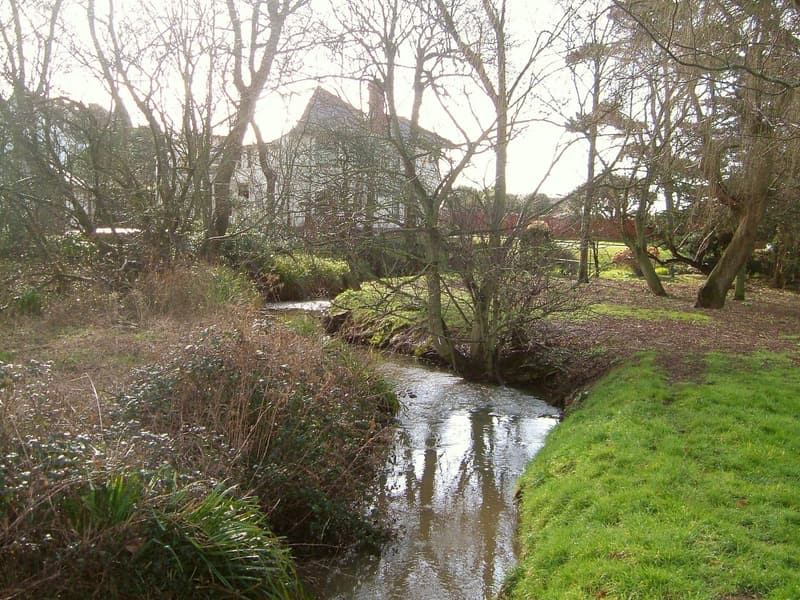
Environment Agency asks people to share views on blue brook pollution

Conservationists Track Endangered Eels on Migration Journey

Why French Weir Park Failed Water Tests in Britain