Sri Lanka: Rights Groups Sound Alarm Over Proposed Anti-Terror Law
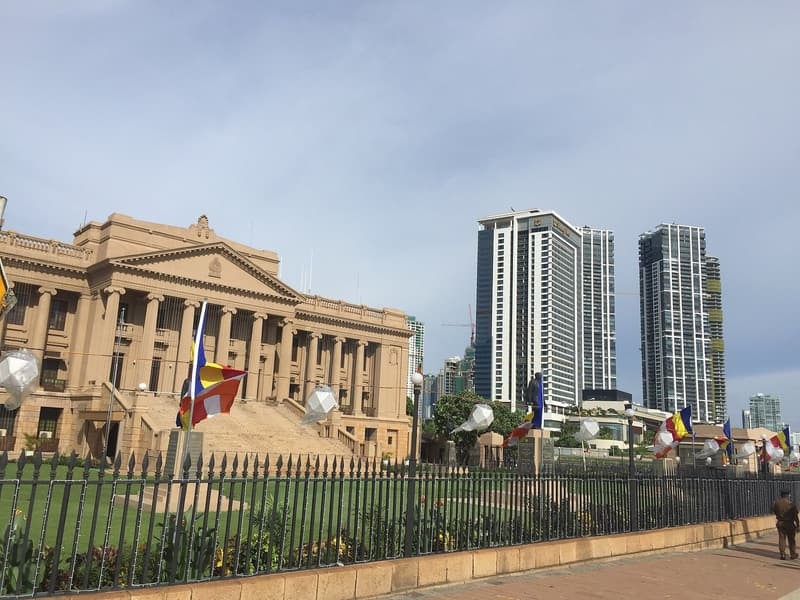
Representative photo · Photo: Thushari Pahalage / Wikimedia Commons, CC BY-SA 4.0
The Sri Lankan government is proposing a new counterterrorism bill to replace the controversial PTA, but activists warn it may still threaten civil liberties.
For many citizens in Sri Lanka, the memory of the 2019 Easter Sunday bombings remains a painful reminder of the necessity for national security. The coordinated attacks, which struck churches and luxury hotels, claimed 270 lives and injured over 500 people, marking the deadliest violence since the end of the civil war in 2009. As the nation considers its future, the government led by President Anura Kumara Dissanayake is pushing for the Protection of the State from Terrorism Act (PSTA) to replace the existing Prevention of Terrorism Act (PTA).
While the government maintains that a robust law is essential to combat the complex activities of extremist groups, the proposal has faced intense scrutiny. Critics, including human rights lawyers and activists, argue that the PSTA is essentially a replica of the PTA, a law long criticized for enabling arbitrary detention and the torture of suspects. Concerns are mounting that the new bill lacks clear definitions for terrorism, potentially allowing for the suppression of dissent and democratic freedoms.
Concerns over Sri Lanka legislation
Legal experts point to the broad powers granted to authorities under the new bill, which include the ability to stop, search, and seize items based on "reasonable suspicion." Film director and human rights lawyer Visakesa Chandrasekaram warned that the vague terminology could lead to fundamental rights violations. Furthermore, there is significant concern regarding the potential "militarization" of law enforcement, as the bill would grant police powers to military personnel who lack specialized training in criminal investigations.
Lawyer Dhanushka Silva highlighted that the PSTA could be used to monitor social media activity, with potential penalties of up to 15 years of rigorous imprisonment for sharing content deemed to violate the act. This has sparked fears that the legislation will be used to muzzle free speech. While the United Nations has urged the government to ensure the bill aligns with international human rights standards, government spokesperson Nalinda Jayatissa has rejected these allegations, insisting that civil liberties and press freedom will remain protected.
The proposed anti-terrorism law faces backlash from activists who fear it will suppress democratic rights and speech.
Why it matters
The implementation of the PSTA represents a critical juncture for Sri Lanka’s governance and its adherence to international human rights norms. The outcome of this legislative push will determine whether the country can effectively balance national security requirements with the protection of fundamental freedoms, a balance that remains of significant interest to observers across South Asia.
For those following developments in the region, including those interested in the broader context of Sri Lanka, this bill signifies a potential shift in how the state manages internal dissent. The concerns raised by rights groups suggest that the legislation could have lasting impacts on the country's democratic landscape and its foreign policy standing.
Sources
More like this
Alan Milburn Review Recommends Replacing Pip for Young People

New Proposals Offer a Second Chance for Youth Offenders in England and Wales
Europe Views US With Less Horror After Midterm Results