Mongolia’s Iron Winter: A Race to Save an Ancient Tradition
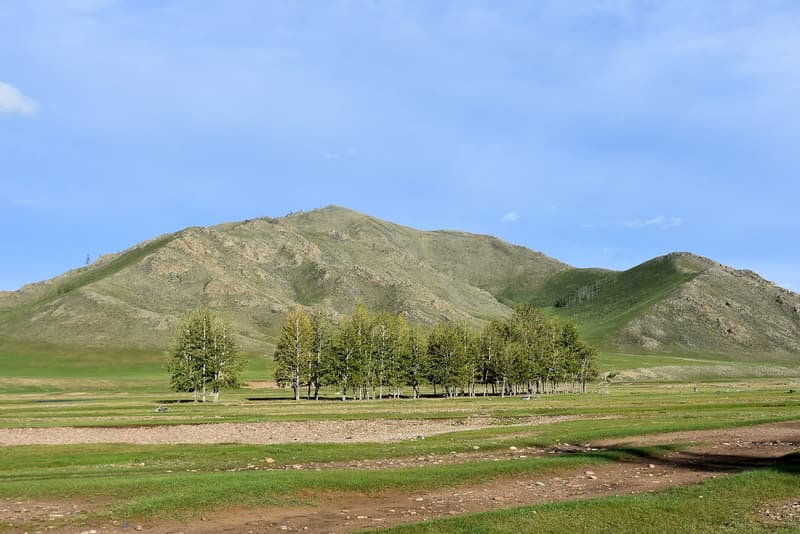
Representative photo · Photo: Richard Mortel / Wikimedia Commons, CC BY 2.0
Two teenage herders in the Tsakhir Valley are reviving a perilous winter ritual to protect their community's horses from record-breaking weather.
In the isolated Tsakhir Valley, the survival of the community is inextricably linked to the health of its horses. For generations, local herders managed the harsh climate by organizing a massive communal herd, entrusting the bravest young men to guard the animals through the harshest months. However, the tradition was abruptly halted in 2019 due to mounting environmental pressures, leading many to fear that this essential rite of passage had been lost to time. As residents grapple with the reality of the Mongolia iron winter, these two young herders are stepping forward to reclaim their heritage.
Surviving the Iron Winter
Determined to preserve their way of life, village elders recently decided to reinstate the winter herd, placing the daunting responsibility of protecting the livestock on two teenage friends. The task proved more difficult than anticipated, as the region faced its deadliest winter on record. Over the course of several brutal months, the two youths were forced to navigate extreme blizzards, physical exhaustion, and persistent doubt. Their journey highlighted a fundamental truth of the region: in the face of such extreme conditions, no one can survive alone.
Two teenage herders are reviving a dangerous ancient ritual to protect their community's horses from extreme weather.
Why it matters
The revival of this tradition represents a significant effort to maintain cultural continuity in the face of severe climate challenges. By entrusting the youth with the safety of the herd, the community is attempting to bridge the gap between ancestral practices and modern environmental pressures.
For readers in India and South Asia, this story serves as a poignant reminder of how climate volatility can disrupt traditional livelihoods. As rural communities across Asia face increasingly unpredictable weather patterns, the struggle in the Tsakhir Valley highlights the importance of collective resilience and the preservation of indigenous knowledge systems in safeguarding local economies.
Sources
More like this

Arrests made in Mohamed Al Fayed abuse investigation in France

Historic Ocean Liner to be Sunk as World’s Largest Artificial Reef

Jean Leonard Teganya Deported to Rwanda Over Genocide Allegations