Senate Votes on Controversial Bipartisan Infrastructure Bill
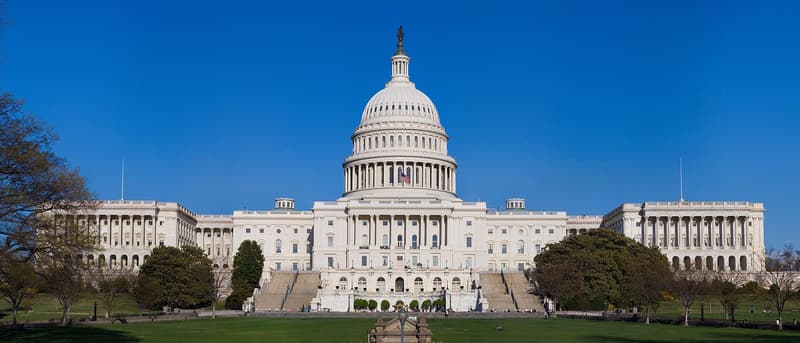
Representative photo · Photo: Noclip / Wikimedia Commons, Public domain
The US Senate holds procedural votes on a major 417-page infrastructure bill aimed at speeding up clean energy and fossil fuel projects while rolling back environmental laws.
As the Senate votes on a major piece of infrastructure legislation known as the Bipartisan American Affordability and Jobs Act, or Baaja, climate advocates find themselves deeply divided. The 417-page bill is designed to accelerate large infrastructure projects across the United States, ranging from fossil fuel pipelines to electricity transmission lines that would connect more clean energy to the grid. To achieve these goals, the legislation proposes rolling back various environmental and social protections.
Sponsored by two Republicans and two Democrats, the bill received an endorsement from Donald Trump, who urged all senators to vote in favor. However, the timing has intensified political friction following recent elections. Environmental and tribal advocates have called on Democratic leadership to pause the process, warning that the legislation would weaken foundational environmental laws such as the National Environmental Policy Act and accelerate the construction of gas pipelines alongside ICE detention centers.
Indigenous groups voiced strong opposition during a Friday press conference, arguing that the legislation undermines the federal government's legal obligation to consult tribes. Protesters also gathered outside the building of Senate minority leader Chuck Schumer to express concerns over provisions that could facilitate the development of datacenters. Meanwhile, major industry associations such as the American Petroleum Institute hailed the bill as a crucial opportunity to complete permitting reform this year, pointing to the need for faster timelines for interstate transmission lines and liquefied natural gas exports.
Proponents of the legislation argue that current rules create excessive delays, pointing out that interstate transmission lines can take a decade to build and thousands of gigawatts of generation and storage capacity remain stuck in interconnection queues. Supporters believe that by streamlining federal rules and shortening review timelines under the Endangered Species Act and the Clean Water Act, the country can successfully connect cheap renewables to the grid. On the other hand, experts remain divided on the bill's ultimate impact on greenhouse gas emissions, with differing computer models yielding contrasting projections for domestic energy expansion.
The Senate votes on a massive infrastructure bill that speeds up projects while weakening environmental protections.
Why it matters
The legislation attempts to resolve long-standing bottlenecks in energy infrastructure development by drastically shortening federal review timelines and limiting the scope of key environmental laws. While clean energy advocates see an opportunity to rapidly expand transmission lines for renewables, environmental and tribal groups warn of long-term consequences for conservation and indigenous rights.
Sources
More like this

Air pollution surges in England as fog traps urban emissions
COP31 Climate Summit Opens in Turkey with Focus on Electrification

Energy Secretary says cutting bills is overriding aim for climate action