Climate
Montreal Cyclists Voice Safety Concerns Over Winter Bike Path Closures
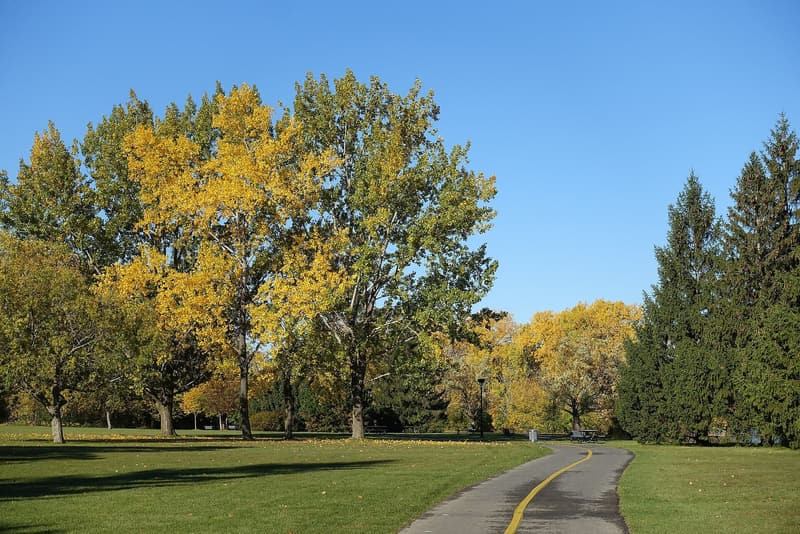
Representative photo · Photo: Guilhem Vellut from Annecy, France / Wikimedia Commons, CC BY 2.0
Representative photo · Photo: Guilhem Vellut from Annecy, France / Wikimedia Commons, CC BY 2.0
Cycling advocates in Montreal are warning that the temporary closure of several bike paths for the winter season puts lives in danger.
As the winter season approaches, representatives of montreal cyclists have expressed serious alarm regarding the recent administrative decisions affecting local transportation routes. Specifically, cycling advocacy groups have pointed out that the temporary shutdown of several bicycle infrastructure networks across the city creates significant hazards for those who rely on active transit year-round.
The controversy intensified following the official decision to close three specific bicycle paths located within the boroughs of Ahuntsic-Cartierville and Côte-des-Neiges. Local commuters and advocates argue that halting the maintenance and availability of these designated lanes forces riders into dangerous traffic conditions, potentially leading to severe accidents during the colder months.
Shutting down Montreal bike paths for the winter season puts riders at serious risk, according to local cycling advocates.
Transportation planners and municipal officials often review seasonal infrastructure usage, yet these sudden winter restrictions have highlighted a persistent conflict between seasonal maintenance practices and the growing demand for continuous, safe cycling corridors. Community members continue to monitor the situation closely to see if municipal authorities will reevaluate their winter transit strategies.
This decision directly impacts daily commuters, local residents, and urban cyclists who depend on safe infrastructure to travel through Ahuntsic-Cartierville and Côte-des-Neiges. The ongoing debate highlights the broader challenges urban centers face in balancing seasonal weather maintenance with the safety needs of year-round active transportation users.