Iraqi PM visits Lebanon to discuss new oil export routes
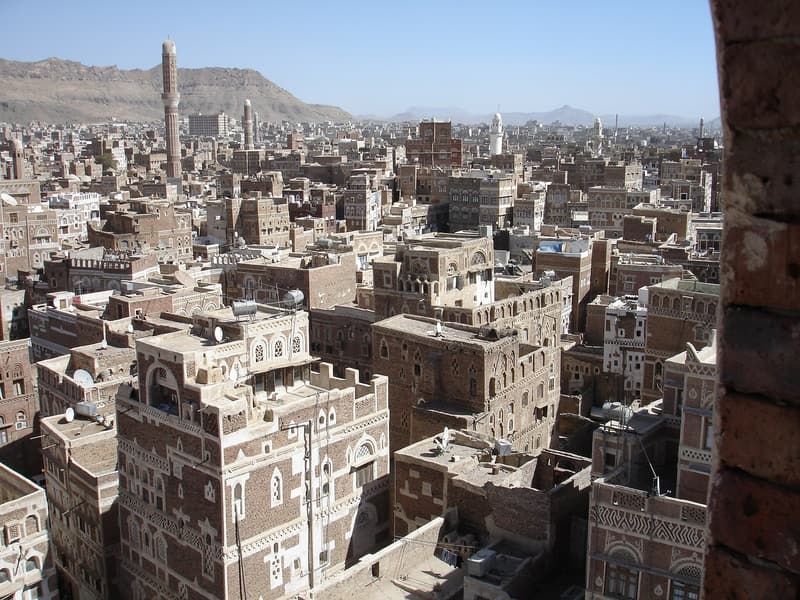
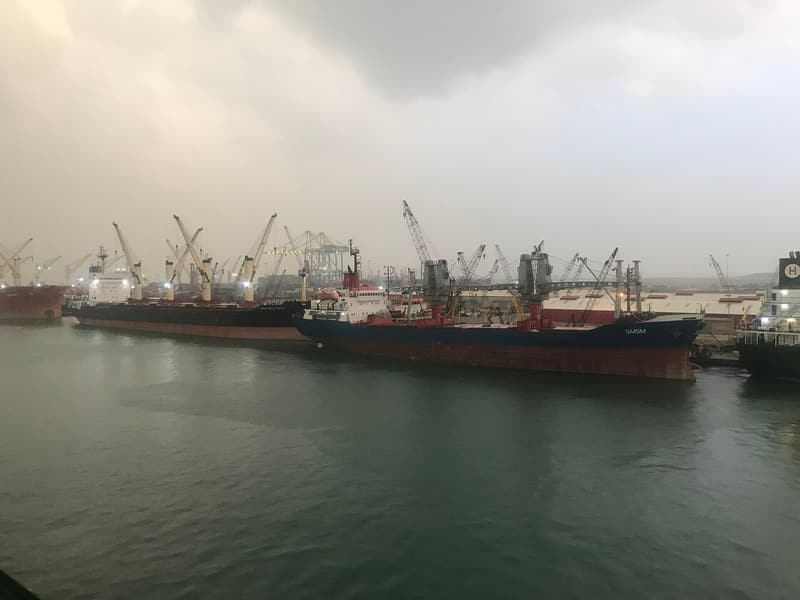
Representative photo · Photo: Marsupium / Wikimedia Commons, CC BY 4.0
Iraqi Prime Minister Ali al-Zaidi visits Lebanon to discuss diversifying oil export routes as the nation seeks alternatives to the Strait of Hormuz.
Iraqi Prime Minister Ali al-Zaidi has arrived in Beirut for a series of high-level meetings aimed at strengthening Iraq Lebanon relations. The visit, which includes discussions with Lebanese President Joseph Aoun, Prime Minister Nawaf Salam, and Parliament Speaker Nabih Berri, comes as Baghdad seeks to secure stable energy export corridors following the disruptions caused by the ongoing war in Iran.
Central to the discussions is the potential revival of an oil pipeline connecting Kirkuk to the Mediterranean via Syria and Lebanon. With the Strait of Hormuz facing significant instability since late February, Iraq is prioritizing the development of alternative export routes. Industry experts suggest that the Iraqi-Lebanese oil pipeline project could provide a vital bypass for energy shipments that previously relied on the Gulf waterway.
Iraq is exploring new oil export routes through Lebanon to bypass the unstable Strait of Hormuz.
The potential of an Iraq Lebanon oil pipeline
Lebanon’s northern city of Tripoli has emerged as a strategic option for this infrastructure. Historically, the city served as a terminus for Iraqi oil, with a refinery that operated until 1992. According to a report by the Basil Fuleihan Institute of Finance, the existing terminal infrastructure remains a "goldmine of latent capacity." Estimates suggest that a moderate flow of 300,000 to 500,000 barrels per day could generate significant annual revenue for Lebanon, providing much-needed relief to an economy struggling with a long-term banking crisis.
Experts note that Tripoli’s deepwater quays offer a competitive advantage over other regional ports, as the coastline is naturally shielded from severe winter storms that often disrupt loading operations in Syria’s Banias. However, analysts warn that Lebanon must act quickly to secure its place in a potential tripartite agreement with Syria and Iraq. If negotiations stall, Iraq may choose to utilize its existing access to the sea through Syrian ports alone.
Beyond energy infrastructure, the agenda for the visit includes broader economic cooperation, such as trade agreements, customs exemptions, and enhanced security coordination to combat drug trafficking. This diplomatic outreach follows a recent agreement between Iraq and Syria to rehabilitate the Kirkuk-Baniyas pipeline, a project set to be managed by the US energy firm Chevron with a planned capacity of 2 million barrels per day.
Why it matters
This initiative represents a major shift in regional energy logistics, aiming to reduce reliance on the Strait of Hormuz, through which one-fifth of global energy passes. For Lebanon, inclusion in this corridor could provide a critical economic lifeline, while for Iraq, it offers a necessary path to stabilize its oil export volumes in a volatile geopolitical climate.
Sources
More like this
Religious Ruling Revives Memories in Israel of Rabin Assassination
CAIR Defends Civil Rights Work Following Trump’s Remarks on Potential Designation
President Trump Says US Taking Potential Iranian Plot Seriously