Mumbai vs Chennai: Why Diwali Air Pollution Affected Coastal Cities Differently
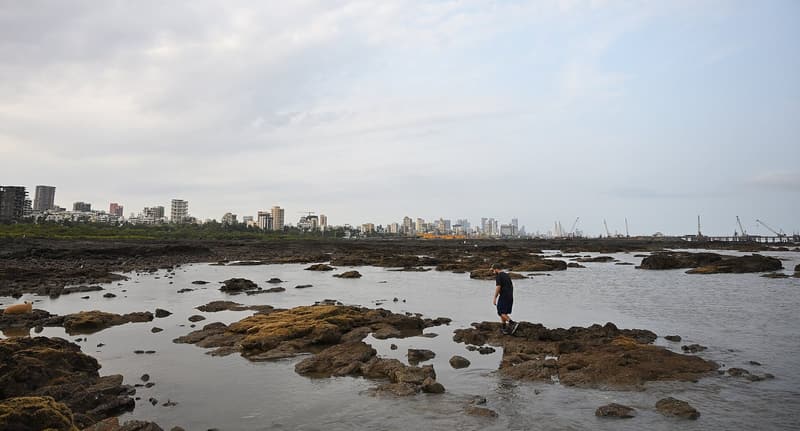
Representative photo · Photo: Wander-earth / Wikimedia Commons, CC BY-SA 4.0
Coastal geography and wind patterns caused significant variations in post-Diwali air quality between Mumbai and Chennai, despite both cities facing firecracker-related pollution.
The aftermath of Diwali celebrations has highlighted a stark contrast in air quality across India's coastal regions. While many travelers often compare connectivity options like those found when searching for Mumbai Chennai travel, the recent environmental data reveals that geography and meteorology played a far more critical role in the air quality outcomes for these two major cities than previously assumed. Mumbai recorded an Air Quality Index (AQI) of 172, placing it in the 'moderate' category, whereas Chennai experienced 'poor' air quality on the Monday morning following the festival.
Understanding the Mumbai Chennai air quality gap
Mumbai’s unique coastal positioning served as a natural buffer against severe pollution. Surrounded by the Arabian Sea on three sides, the city benefited from shifting sea and land breezes that effectively dispersed pollutants. Additionally, weather conditions supported air circulation; easterly winds, influenced by an anticyclonic circulation over the Himalayan region, pushed pollutants toward the sea. These winds also brought lower temperatures, ensuring that Mumbai and its surrounding metropolitan region remained in the moderate AQI category despite the widespread use of firecrackers.
In contrast, Chennai did not benefit from these favorable winds from the Bay of Bengal. Instead, the city was affected by northerly winds that transported polluted air from industrial and urban centers in Andhra Pradesh and northern Tamil Nadu. This influx of external pollutants, combined with local firecracker smoke, led to a spike in fine particulate matter (PM2.5). Consequently, four of Chennai’s seven active air monitoring stations reported AQI levels exceeding 200, signaling poor air quality.
Beyond these two coastal hubs, inland cities such as Pune, Nagpur, Nashik, Jalna, and Chandrapur faced even greater challenges. Lacking the regular sea breezes that aid in pollutant dispersal, these locations struggled with high temperatures, deficient rainfall, and weak wind circulation. Furthermore, industrial activities—including mining, steel production, thermal power generation, and automobile manufacturing—contributed significantly to the pollution burden in these inland regions. Experts note that while the current situation remains concerning, they expect that shifting easterly winds will eventually bring cleaner air and improve conditions for the affected areas.
Wind direction, geography, and weather conditions were the primary determinants of post-Diwali air quality variations.
Why it matters
This disparity highlights that air quality is not solely dependent on local festive activities but is heavily influenced by broader atmospheric and geographical factors. For residents across India, understanding these patterns is essential for interpreting public health data and environmental trends.
These findings emphasize the vulnerability of inland cities compared to coastal regions, which benefit from natural ventilation. As industrial emissions continue to interact with seasonal weather shifts, the data serves as a reminder of how regional planning and meteorological awareness are critical for managing urban pollution levels.
Sources
More like this
One-Year Research Project Launched Following Port of Tyne Nurdle Spill

Jersey Zoo Announces New Art Trail to Celebrate Arrival of Asiatic Black Bears
Environmental Crisis: Hundreds of Oil Spills Reported in the Gulf War