Trishuli Bazaar and Memories Wiped Out by Disaster in Nepal
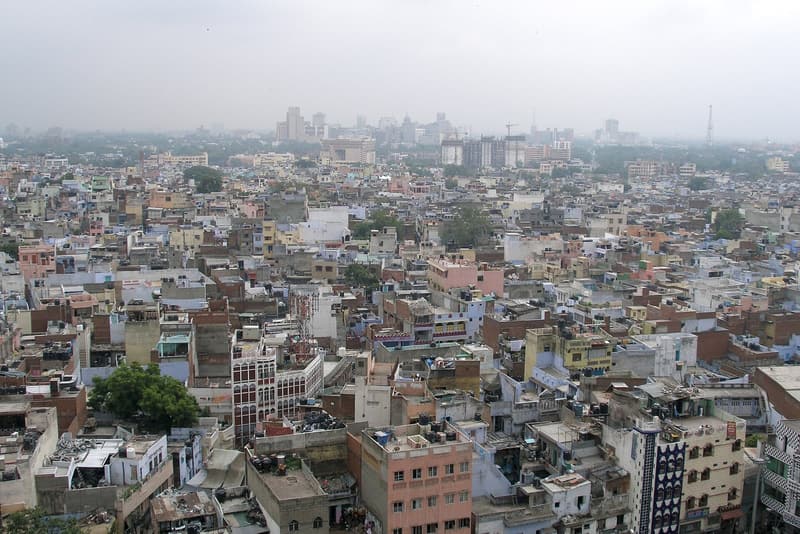
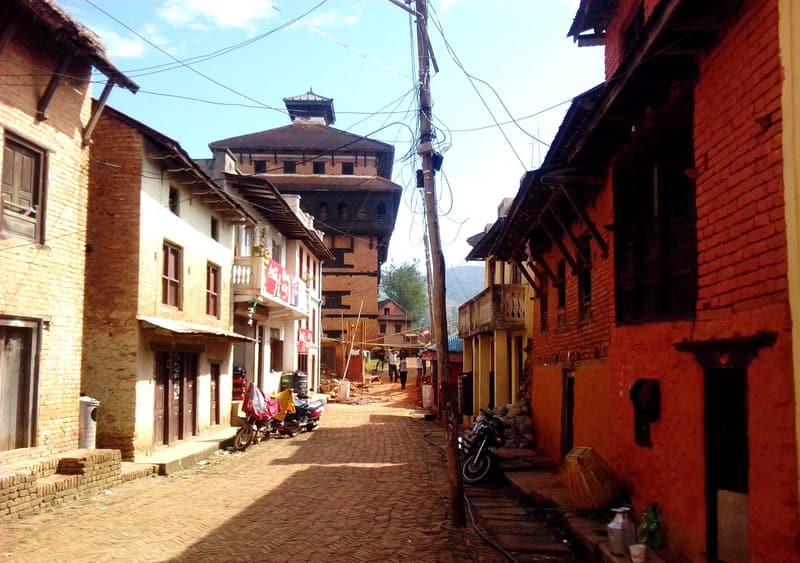
Representative photo · Photo: Sueracepant / Wikimedia Commons, CC BY-SA 3.0
A devastating flood along the Trishuli river in Nepal destroyed the bustling bazaar and childhood memories, leaving thousands missing and displaced.
Standing on the debris of what used to be Trishuli Bazaar in central Nepal, families are left to survey the vast expanse of mud, rocks, and silt. Earlier this year in March 2026, visitors walked through the busy market town in the Nuwakot district, greeting old friends and relatives. For many, it was a rare return to a place tied to decades of family history, where grandparents once worked at the local hospital and hydropower station.
The landscape of the region changed drastically when a catastrophic flood on August 26, 2026, wiped out the main bazaar and most of the surrounding settlements. The disaster was triggered by an earthquake in Tibet that caused a large-scale ice avalanche and glacial outburst, sending a destructive wave of debris rushing down towards Nepal’s Bhote Koshi and Trishuli rivers.
Massive floods in Nepal obliterated Trishuli Bazaar, leaving widespread devastation and thousands unaccounted for.
According to a UNICEF Nepal humanitarian situation report, the death toll from the disaster surpassed 1,450 by October 13, with nearly 5,300 people unaccounted for and 1.6 million individuals affected. Elderly residents, including an 86-year-old great aunt who used a walker, had to crawl across nettled wasteland to reach safety before being moved to the Trishuli colony, a residential area originally built with Indian aid in 1967.
For generations, families spent winters in the colony, enjoying spacious homes with big backyards, fruit trees, and the sounds of local musicians playing the sitar in the evenings. Today, those familiar sights and sounds of the nopal floods and the vibrant market life exist only in memory, replaced by a transformed landscape of debris along the nepal trishuli river.
Why it matters
Many residents fled the only homes they had on the day of the floods. Now, survivors and displaced families are left to cope with the immense loss of their community, homes, and decades of history as they face the long road toward rebuilding their lives.
Sources
More like this

Newcastle Council Bans Rising Tide From Using Public Land for Protests
Kenyans Fear Impact of El Niño With Floods Predicted

Greta Thunberg Slams COP31 Talks Calling Them Hypocritical