NIH Scientists Face Pressure to Align Research with Administration Priorities
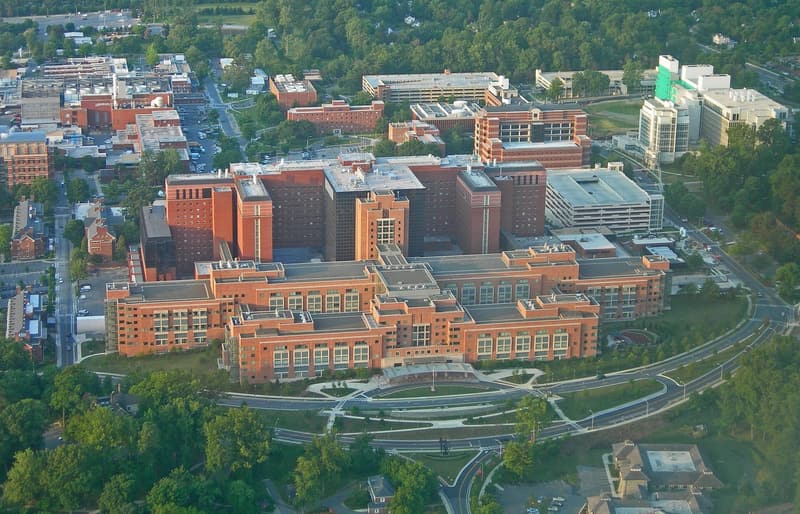
Representative photo · Photo: NIH Image Gallery from Bethesda, Marylan / Wikimedia Commons, Public domain
Researchers report being forced to alter peer-reviewed studies as the NIH implements a controversial review process to align grants with political priorities.
The scientific community is grappling with what many describe as an Orwellian climate of censorship within the National Institutes of Health (NIH). Researchers across the country report being coerced into modifying or abandoning peer-reviewed studies that do not align with the current administration's ideological priorities. This trend, which has injected significant uncertainty into the grant-making process, involves an opaque political review system that utilizes text analysis tools to flag specific terminology.
Dr. Jade Pagkas-Bather, an HIV researcher, experienced this firsthand after receiving her first NIH grant in June 2025. Her study aimed to test whether monthly cash grants could help young, HIV-positive individuals in Chicago maintain treatment. Despite initial approval, program officers began requesting changes to her project, including the removal of terms like "gender identities" and references to poverty disparities among Black and Latinx populations. By 2026, she was instructed to eliminate the core concept of unconditional cash transfers and references to potential policy impacts.
The NIH is forcing researchers to alter peer-reviewed projects to match administration political priorities.
The scope of political interference
Data from Grant Witness indicates that the number of grant renegotiations surged significantly during the Trump administration. In 2025, over 3,400 grant continuations were modified, a 21-fold increase compared to 2023. HIV-related research has been particularly affected, with over 20% of continuing grants undergoing changes in 2026. While the NIH maintains that these renegotiations ensure the funding of meritorious science and the replacement of subjective concepts with measurable variables, many scientists view the process as a form of political control.
Shalini Agarwal, special counsel at Project Democracy, is representing Dr. Pagkas-Bather and other researchers in a lawsuit alleging that these actions violate the First Amendment. The legal challenge argues that the administration is engaging in viewpoint-based discrimination by compelling scientists to subvert their own approved research projects. Former NIH leaders have expressed concern, noting that the agency faces a long road to restoring its scientific independence.
Why it matters
The ongoing renegotiations have created a chilling effect on medical research, forcing scientists to guess which topics or terms might trigger a funding review. This shift affects the integrity of public health studies, particularly those focused on vulnerable populations and health equity, and raises fundamental questions about the role of political oversight in scientific inquiry.
Sources
More like this
Inquest examines infant deaths linked to unregistered birth support in NSW

Boots launches UK pharmacy medical cannabis prescribing service
WHO Warns Antimicrobial Resistance Could Kill Millions