Sri Lanka Butterfly Migration Linked to Climate Change in Global Study
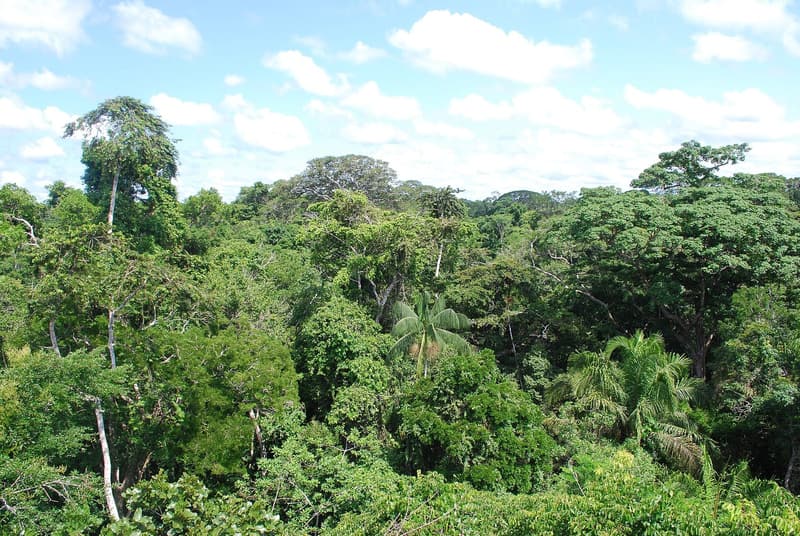
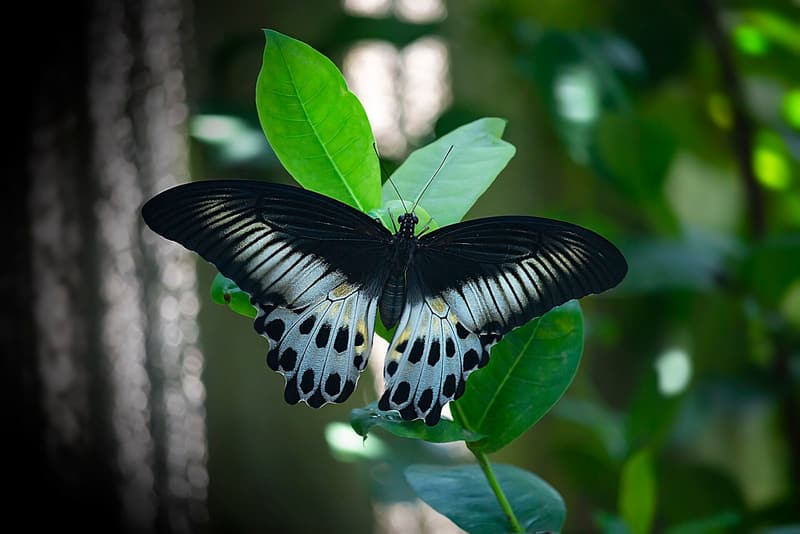
Representative photo · Photo: Janith Pramuditha / Wikimedia Commons, CC BY-SA 4.0
An unusually large migration of butterflies across Sri Lanka has prompted researchers to examine how shifting climate patterns are influencing insect populations globally.
For generations, the sight of thousands of yellow and white wings fluttering across Sri Lanka has been viewed as a sacred pilgrimage. This phenomenon, often observed in Colombo and other regions, has seen a particularly pronounced influx in 2026. While seasonal butterfly movements are common, researchers are now looking beyond traditional folklore to understand the environmental drivers behind these mass movements.
Understanding Sri Lanka and the butterfly migration
Experts from the Butterfly Conservation and Research Group of Sri Lanka (BCRG) have noted that this year's movement patterns differ from previous records, with insects appearing to avoid the hill country. Researchers suggest the northeast monsoon, which brings rains to the island's dry zone, plays a crucial role in triggering the growth of host plants like cassia and senna. This vegetation provides essential food for caterpillars, allowing populations to surge. Unexpected rainfall in the dry zone, potentially influenced by changing climatic conditions like El Niño, may have further contributed to the extraordinary numbers observed this year.
Global research indicates that 79% of documented butterfly range shifts are linked to climate change events.
While local scientists monitor these movements, a 2026 global study involving 1,758 butterfly species across 105 countries has highlighted a broader trend. The research found that 80% of surveyed species have expanded their ranges, with 79% of these shifts associated with climate change or extreme weather. Biologist Shawan Chowdhury, the study's lead author, noted that warming temperatures are enabling some species to move into new territories, such as Finland, though he warned that these expansions may face limits if suitable habitats become unavailable.
Why it matters
This research carries significant implications for biodiversity in South Asia. Scientists warn that climate change poses a specific threat to endemic butterflies in Sri Lanka that are restricted to cool, high-elevation habitats. As temperatures rise, these species may be forced to shift toward mountain summits, eventually running out of suitable space. Understanding these dynamics is vital for conservation efforts as the region navigates the intersection of seasonal monsoons and long-term climatic shifts.
Sources
More like this

Beavers could return to the River Waveney as reintroduction plans explored

Weakening UK electric vehicle targets could hinder industry and consumers

Andhra Pradesh: Odisha Orders Early Evacuation as Cyclone Threat Looms