Politics
NSW Passes Mount Pleasant Coalmine Law Ahead of March Election
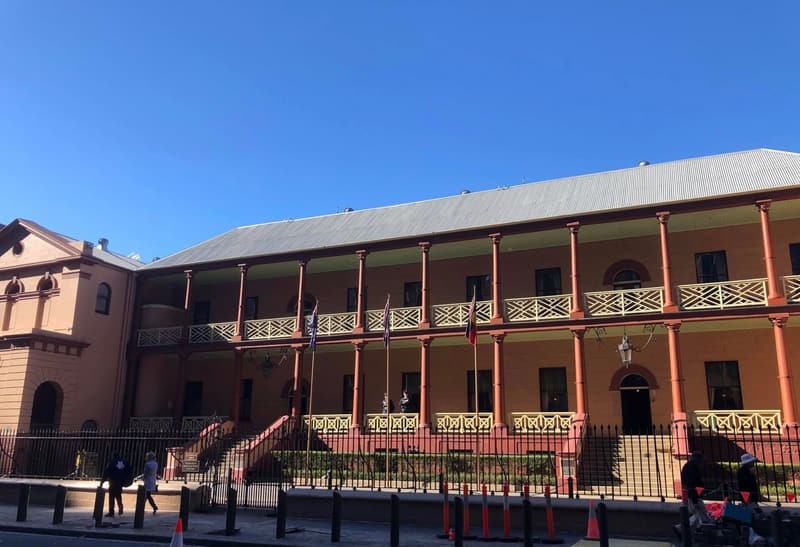
Representative photo · Photo: Studentofacademia / Wikimedia Commons, CC BY-SA 4.0
Representative photo · Photo: Studentofacademia / Wikimedia Commons, CC BY-SA 4.0
The New South Wales government has passed special legislation enabling the Mount Pleasant mine in the Hunter Valley to increase its annual coal production.
The New South Wales government has successfully passed special legislation to allow the Mount Pleasant mine in the Hunter Valley to boost its annual coal extraction rate by 32 percent. Following a marathon session in the legislative council, the Minns government and the Coalition voted to permit the site to extract up to 16.5 million tonnes annually until 2032. Resources minister Courtney Houssos defended the measure as a unique solution addressing unique circumstances.
Opposition to the bill has been widespread, with climate groups, legal experts, civil liberties organisations, and crossbenchers condemning the action. The legislation follows a high court ruling last month that invalidated a previous expansion approval because the state Independent Planning Commission failed to properly evaluate greenhouse gas emissions. The Greens fiercely opposed the bill, accusing Premier Chris Minns of rushing the law through parliament to fend off a political threat from One Nation in the Hunter region ahead of the March state election.
Special legislation allows the Mount Pleasant mine to boost output and protect jobs.
Despite criticism and warnings from a parliamentary legislation review committee regarding procedural fairness and a potential corruption risk stemming from a Henry VIII clause, the government and the Coalition pushed the bill through. The Coalition and the Mining and Energy Union supported the measure, emphasizing that it protects hundreds of jobs and prevents devastating economic impacts in local communities like Muswellbrook.
The passing of this special legislation alters production limits for a major New South Wales coal development, bypassing previous high court hurdles and protecting local employment heading into a contentious regional election.