OKXICE Moves Forward With Tokenized Stocks
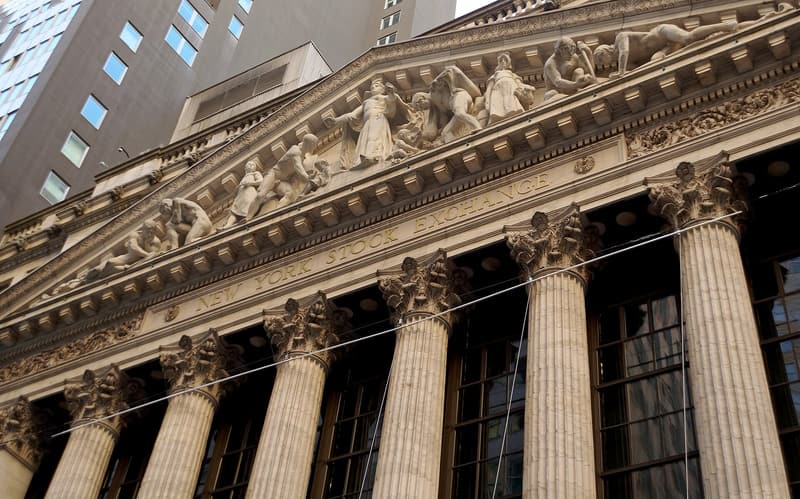
Representative photo · Photo: Jakub Hałun / Wikimedia Commons, CC BY 4.0
OKX and ICE are launching a tokenized stock trading venue on Nov. 23 under a temporary SEC exemption, facing pushback from corporate leaders and Nasdaq.
This is news, not investment advice. NexVani Media is not a SEBI-registered investment adviser and does not recommend buying or selling any security. Do your own research or consult a registered adviser before investing.
Crypto exchange OKX and Intercontinental Exchange parent ICE plan to introduce tokenized stock trading on Nov. 23. The new OKXice platform will operate utilizing a temporary SEC Innovation Exemption, allowing eligible participants in the United States to access continuous trading around the clock.
The upcoming rollout is moving forward despite objections from dozens of major firms regarding the listing of their shares via unaffiliated third parties. Entities such as JPMorgan Chase, McDonald’s, SpaceX, and Coca-Cola registered objections under the regulatory framework, which mandates that venues give companies an opportunity to contest listings before they proceed.
Tokenized equities function as blockchain tokens representing corporate shares or tracking underlying pricing structures. According to data through Nov. 11, the aggregate value of tokenized stocks and exchange-traded funds climbed to $3.88 billion, marking a 13.4% increase over a trailing 30-day period. Andrew Cuomo, serving as co-chair for the venture, stated that market participants would retain equivalent ownership rights and protections associated with physical shares.
Tokenized stocks test a new SEC exemption as corporate opposition and liquidity fragmentation concerns grow.
OKX anticipates listing more than 70 assets initially, including 59 ETFs alongside tokenized shares of entities such as Coinbase, Circle, BitGo, Robinhood, and Strategy, alongside preferred shares from Strategy. Proponents argue that traditional market hours reflect an outdated operational structure, pointing out that digital asset markets operate continuously.
However, the initiative has drawn scrutiny regarding potential market fragmentation. Critics and industry participants have warned that running parallel trading venues across traditional rails and distributed ledgers could divide liquidity and impact price reliability. Research published in October by the International Monetary Fund highlighted that tokenized equities exhibited higher volatility compared to traditional markets, alongside wider price discrepancies on decentralized venues. The IMF also cautioned that combining settlement and trading layers on blockchains might reduce shock absorbers and amplify financial contagion risks during periods of market stress.
Why it matters
The Nov. 23 debut serves as a major test for regulatory frameworks governing blockchain-based securities in the United States. As traditional exchanges like Nasdaq raise concerns about fragmented liquidity, the venture highlights the ongoing collision between conventional market structures and continuous digital trading models.
Sources
More like this

Google DeepMind humanoids test automotive kitting at Mercedes-Benz factories
Bitcoin Faces First Back-to-Back Annual Losses in History
Understanding What Solana Privacy Rings Are and How They Work