Pakistan faces internal debate over proposal to create new provinces
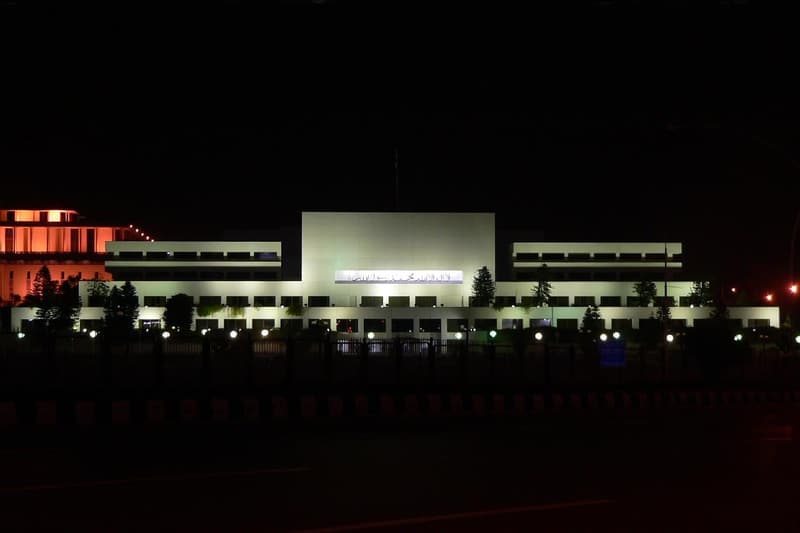
Representative photo · Photo: User Waqas.usman on en.wikipedia / Wikimedia Commons, Public domain
Interior Minister Mohsin Naqvi’s proposal to redraw Pakistan's provincial boundaries has sparked a significant constitutional and political controversy four months after its introduction.
A proposal introduced four months ago by Pakistan’s Interior Minister Mohsin Naqvi to reorganize the nation’s administrative structure has triggered a period of intense political and constitutional uncertainty. The plan, which suggests carving out new provinces from the four existing ones, has become a focal point of national discourse, raising concerns about the future of regional governance and stability. While some fear the potential for a bloody Karachi scenario if tensions escalate, the debate remains centered on the legal and political feasibility of such a drastic change.
The debate surrounding a bloody Karachi
The discourse surrounding this administrative restructuring has been marked by strong reactions across the political spectrum. The suggestion of altering provincial lines in a country with deep-seated regional identities has led to a heated exchange of views. Critics and supporters alike are currently weighing the constitutional implications of such a move, as the proposal challenges the established political framework that has defined Pakistan since its inception. The ongoing discussion reflects the complexities of balancing administrative efficiency with regional autonomy.
The proposal to create new provinces in Pakistan has ignited a significant constitutional and political debate.
As the government continues to navigate this proposal, the focus remains on whether a consensus can be reached among various stakeholders. The potential for reshaping the map of Pakistan involves intricate legal hurdles and requires broad political support, which currently appears difficult to achieve. The debate highlights the fragility of the current political climate, as leaders grapple with the long-term consequences of altering the structural integrity of the provinces. For now, the proposal serves as a reminder of the deep-seated regional dynamics that continue to influence Pakistan’s internal policy decisions.
Why it matters
This proposal marks a potential shift in the administrative landscape of Pakistan, affecting how provinces are governed and how resources are allocated. It carries significant weight for the country's constitutional stability and could alter the political dynamics between the central government and the regions.
For observers in South Asia, this debate is significant as it highlights the internal challenges of governance and regional representation. Any change to the provincial structure in Pakistan has the potential to influence regional stability and the broader political environment of the subcontinent.
Sources
More like this
Burnham gambles on EU ties in push for economic growth

Voters in Four Out of Five UK Parliamentary Seats Now Back Rejoining the EU
Burnham seals trade and youth mobility deals in biggest step since Brexit