Parliament panel to examine India-Pakistan ties, India's UN Security Council bid
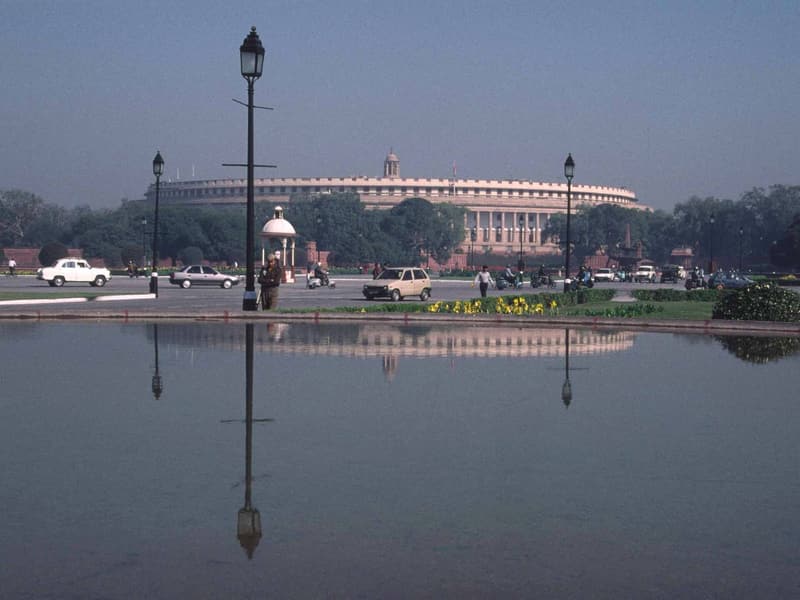
Representative photo · Photo: Bill Strong from Melbourne, Australia / Wikimedia Commons, CC BY-SA 2.0
A parliamentary committee has unveiled its 2026-27 agenda, focusing on key foreign policy priorities, including relations with neighbors and India's bid for a permanent UN Security Council seat.
The Parliamentary Standing Committee on External Affairs has released its comprehensive agenda for the 2026-27 period, signaling a deep dive into the nation's diplomatic landscape. According to a bulletin from the Lok Sabha Secretariat, the committee will conduct a thorough review of several critical areas, including the current state of India-Pakistan relations and India's pursuit of a permanent seat on the United Nations Security Council alongside proposed UN reforms.
As citizens often search for information regarding the Parliament of India, this upcoming session highlights the legislative body's role in shaping the country's global footprint. The committee's schedule is extensive, covering bilateral ties with major global powers and regions, including the United States, Europe, China, and West Asia. The panel intends to evaluate the performance of the passport issuance system, including e-passports, and will review the existing Indian Passport Act and Rules.
The parliamentary panel will scrutinize India's global diplomatic priorities and institutional foreign policy capacity.
Broadening Global Engagement
The committee's work will extend to regional strategic partnerships, including the Act East Policy and engagement with ASEAN, the India-Africa strategic partnership, and India's involvement with BRICS. Additionally, the panel plans to examine India-Bhutan relations and the role of the Quad in the context of India-US relations. Beyond bilateral ties, the agenda includes a review of cultural diplomacy, the welfare of the Indian diaspora, and the international mobility of skilled professionals.
Institutional oversight remains a priority, with the committee set to study the functioning of Indian missions abroad and educational institutions like Nalanda University and South Asian University. The panel will also explore how states and Union Territories can contribute to external engagement, such as through investment promotion and diaspora outreach. Furthermore, the committee will assess the Ministry of External Affairs' collaboration with academic institutions and think tanks, while seeking measures to strengthen the Indian Foreign Service to meet the nation's expanding global responsibilities.
Why it matters
This agenda reflects a strategic push to align India's diplomatic infrastructure with its growing international influence. By scrutinizing both bilateral ties and internal administrative systems, the panel aims to enhance the efficacy of India's foreign policy outreach. These reviews will directly impact the efficiency of consular services for citizens and the strategic coherence of India's engagement with major global powers.
Sources
More like this
UK Prime Minister Seeks Closer Ties with EU Following Brexit
Labor Australia to revise backpacker visa caps following regional industry feedback

Pentagon Denies Claims Linking Deputy Secretary to Goldman Sachs Banker