Politics
Pentagon Criticizes Canada Over Defense Readiness And Spending
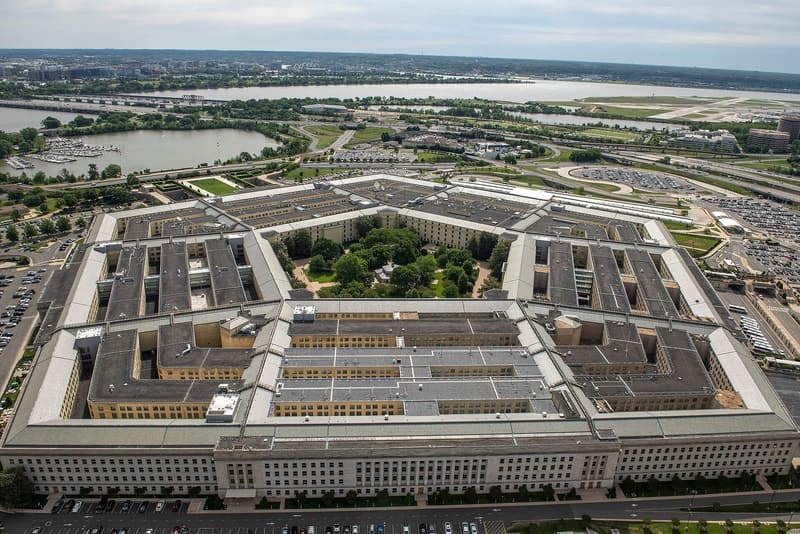
Representative photo · Photo: Air Force Staff Sgt. Brittany A. Chase, / Wikimedia Commons, Public domain
Representative photo · Photo: Air Force Staff Sgt. Brittany A. Chase, / Wikimedia Commons, Public domain
The Pentagon has issued a critical fact sheet accusing Canada of failing to act as a reliable ally due to insufficient military preparedness.
In a recent security development that has generated considerable media interest as a major scoop, the United States Department of Defense has released a critical assessment regarding its northern neighbor. According to the document, American defense officials have formally accused Canada of falling short in its international obligations. The administration pointed directly to declining military readiness levels and persistently low defense budgets as the primary drivers of this concern.
The sharply worded fact sheet outlines specific worries within the American defense establishment about Canada's capacity to meet modern security challenges. By highlighting budgetary shortfalls and operational constraints, the statement underscores a growing friction between the two allies regarding military contributions. Analysts and observers have noted that such public reprimands between longstanding partners are relatively uncommon, signaling deeper frustrations within Washington regarding alliance burdens.
The Pentagon accused Canada of lacking military readiness and sufficient defense spending to be credible.
The document details how diminished resources have impacted overall operational capabilities, leaving the nation vulnerable on the global stage. While Ottawa has historically maintained close defense ties with Washington, these latest accusations bring questions of burden-sharing and alliance commitments to the forefront of bilateral discussions.
This public assessment directly impacts bilateral relations and places pressure on Canadian leadership to reevaluate national security priorities and financial allocations for the armed forces. It signals a shift in how traditional defense partnerships are monitored and evaluated by major military powers.