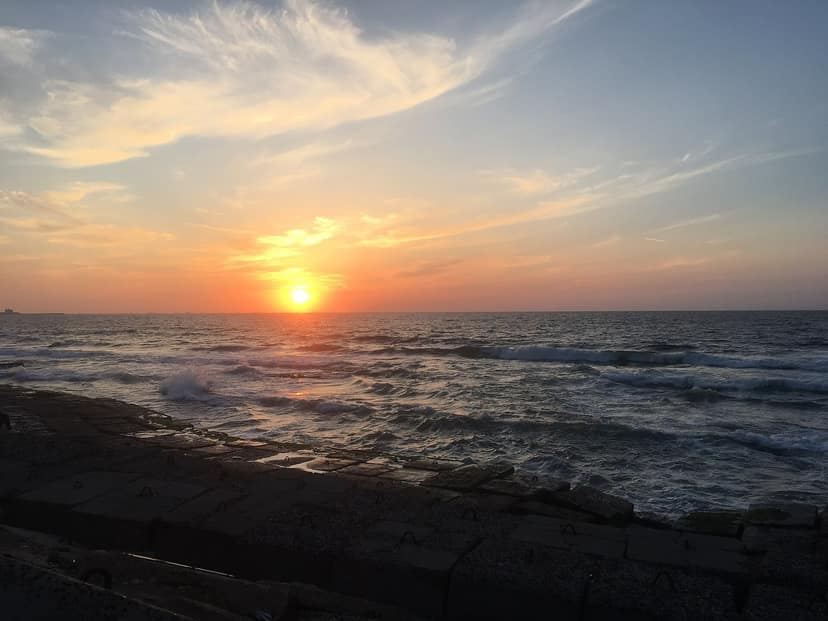
Port Sudan Families Struggle With Severe Water Shortages And Soaring Costs
Residents in Port Sudan face steep water prices and shortages as war, infrastructure damage, and displaced populations strain the city's supplies.
Port Sudan residents are struggling to afford daily water needs as severe shortages and rising prices place immense financial pressure on households. In the Deim Mayo neighbourhood, locals without piped water connections must rely on street vendors who charge high rates for limited supplies. The ongoing conflict in Sudan has severely impacted average incomes, pushing household earnings back to levels seen in the early nineties and leaving many families forced to borrow money just to buy basic hydration.
The crisis has been worsened by the August collapse of the Arbaat Dam following heavy rainfall and flooding. Previously supplying half of the coastal city's daily water needs, the dam failure destroyed downstream villages and damaged essential pipelines and wells. With much of the infrastructure compromised, entire neighbourhoods now depend on expensive water deliveries transported by trucks, driving up operating costs for local distribution stations that rely heavily on fuel.
Port Sudan water shortages and soaring costs leave families spending entire monthly salaries on basic hydration.
Relatively safe from active fighting, Port Sudan has seen an influx of displaced people, putting heavy strain on fragile infrastructure that previously met less than forty percent of demand. Although rehabilitation efforts have restored parts of the network through new boreholes, pipelines, and solar-powered pumps, the upgraded system falls significantly short of serving a population estimated at one million people.
Medical professionals have warned that the water crisis poses severe risks to public health. Disruptions and high costs force households to rely on potentially untreated sources, increasing the danger of waterborne illnesses such as cholera, diarrhoeal diseases, skin infections, and vector-borne illnesses like malaria and dengue fever stemming from uncovered water storage containers.
Why it matters
Despite ongoing infrastructure repairs and new projects launched by international organizations, the severe gap in water supply directly affects vulnerable residents and displaced populations in Port Sudan. The escalating costs and health risks highlight how regional conflicts and environmental disasters can cripple urban utility networks and threaten basic human needs.
Sources
More like this
EU and Canada Forge Closer Ties Through New Alliance

G20 Scraps Group Photo After European Officials Refuse to Pose With Lavrov

Swiss Court Upholds 20-Year Sentence for Former Liberian Rebel Commander