
Historical Comparison Highlights Risks Behind Current Stock Market Valuation
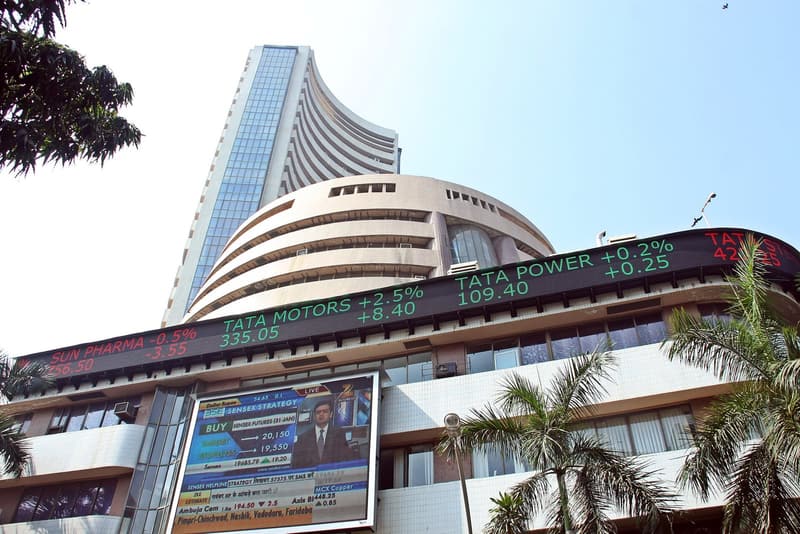
Representative photo · Photo: Jakub Hałun / Wikimedia Commons, CC BY 4.0
Examining historical valuation metrics and the current generative artificial intelligence boom to understand stock market trends.
This is news, not investment advice. NexVani Media is not a SEBI-registered investment adviser and does not recommend buying or selling any security. Do your own research or consult a registered adviser before investing.
Over the past decade, the benchmark S&P 500 has risen significantly, showcasing the long-term wealth-creating potential of the United States stock market. This recent growth has been largely driven by the emerging generative artificial intelligence industry, with major technology companies investing heavily in data center hardware. However, historical precedent indicates that periods of exceptionally high growth are frequently followed by drawdowns as market excitement subsides and realistic expectations take hold. ## Prediction Stock Market Analysis Market watchers frequently analyze the cyclically adjusted price-to-earnings ratio to evaluate current valuations against historical averages. Over the past century, this valuation metric has spiked dramatically during specific historical periods, notably preceding the 1929 stock market crash and the dot-com bubble of late 1999. Today, a third major spike is underway, fueled primarily by enthusiasm for generative intelligence technologies whose long-term financial returns remain unproven. > High valuations and heavy infrastructure spending raise concerns about potential market corrections. While the current boom differs from previous bubbles because it is led by highly profitable technology giants like Nvidia and Micron rather than unprofitable firms, risks remain evident. Research firm Gartner has expressed concern over the disparity between heavy infrastructure spending by hyperscalers and consumer-side revenue, projecting substantial impairment charges as asset values adjust. Furthermore, the concentration of the top five technology giants accounting for a large portion of the index's total value leaves the broader market vulnerable to shifts in this single sector. ## Why it matters Long-term investors who already own the index are reminded that the S&P 500 has historically recovered from past corrections and crashes, making panic selling unnecessary. However, the high exposure to the artificial intelligence sector suggests that diversifying portfolios into less exposed industries could be a prudent approach for managing risk.
Sources
More like this
Three Arrested During Anthropic IPO Protest Outside Nasdaq

Anthropic IPO Launches on Nasdaq in Record-Breaking US Stock Market Debut
Sensex Today: Nifty Eyes Positive Momentum After Wall Street Drop