Proposed NSW laws for Mount Pleasant coalmine spark corruption risk concerns
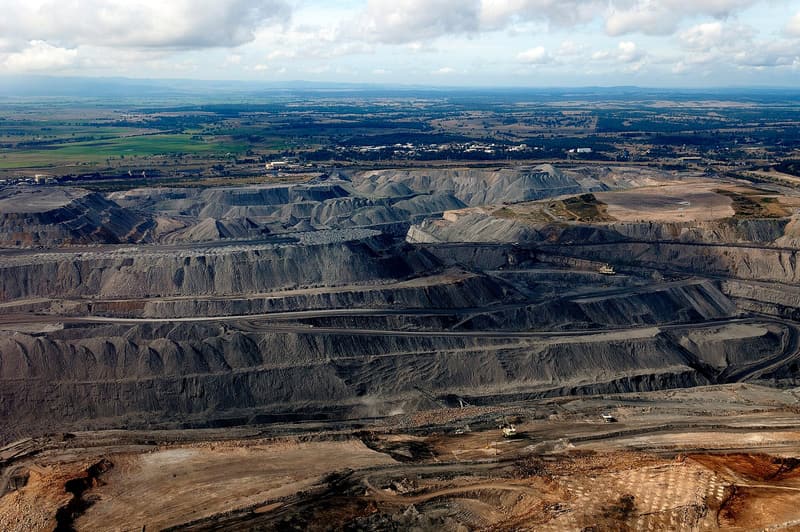
Representative photo · Photo: Max Phillips / Wikimedia Commons, CC BY 2.0
New South Wales lawmakers are debating a bill to expand a Hunter Valley coalmine, with critics warning that a specific clause grants excessive power to the resources minister.
The New South Wales parliament is set to debate legislation this week concerning the Mount Pleasant coalmine in the Hunter Valley. The bill aims to allow MACH Energy to increase coal production at the site by 32%, reaching 16.5 million tonnes per year. This legislative move follows a high court ruling that previously deemed an expansion of the facility invalid. The Minns government maintains that the bill is essential to prevent the loss of 400 jobs at the mine before the Christmas period.
However, the proposal has drawn sharp criticism from legal experts and political figures regarding a specific provision known as a Henry VIII clause. This clause would grant the resources minister broad authority to create regulations that could modify or override existing state laws as they apply to the Mount Pleasant project. While such provisions are historically used by parliaments to manage administrative details, critics argue that this specific application creates a serious corruption risk.
Proposed NSW laws for the Mount Pleasant coalmine expansion face criticism over potential corruption risks.
Geoffrey Watson, a barrister and former counsel assisting the NSW Independent Commission Against Corruption, described the clause as giving the minister "king-like" powers. In a legal analysis, Watson noted that concentrating such authority in the hands of a single person for the benefit of a private company sets a dangerous precedent. He emphasized that while he does not impute bad faith to the current minister, historical experience indicates that such power structures can lead to decisions made outside of the public interest. Elaine Johnson, director of Johnson Legal, echoed these concerns, stating that the clause provides unfettered power to alter regulations governing noise, dust, and worker safety at the site.
Legislative debate and political pressure
The lower house is expected to debate the bill on Tuesday, with the upper house following later in the week. The government aims to pass the legislation during the final sitting week before the March 2027 election. Political pressure is mounting in the Hunter region, where both Labor and Coalition seats face challenges from One Nation. While the Coalition has indicated it will not oppose the bill, citing the need to protect local jobs and prevent environmental legal challenges, the Greens have vowed to seek the removal or limitation of the contentious clause.
Why it matters
The passage of this bill would authorize a significant increase in coal output at a major industrial site, directly impacting local employment and environmental regulation standards. By potentially allowing a minister to bypass standard legal frameworks, the legislation sets a precedent for how the state manages large-scale resource projects and ministerial oversight.
Sources
More like this

Jailed Pakistan Leader Imran Khan Seeks Urgent Medical Care for Himself and Wife
UK Government Launches Fund to Save Historic Lidos Under Threat

Flag Campaigns Spark Grassroots Anti-Racism Organising Across England