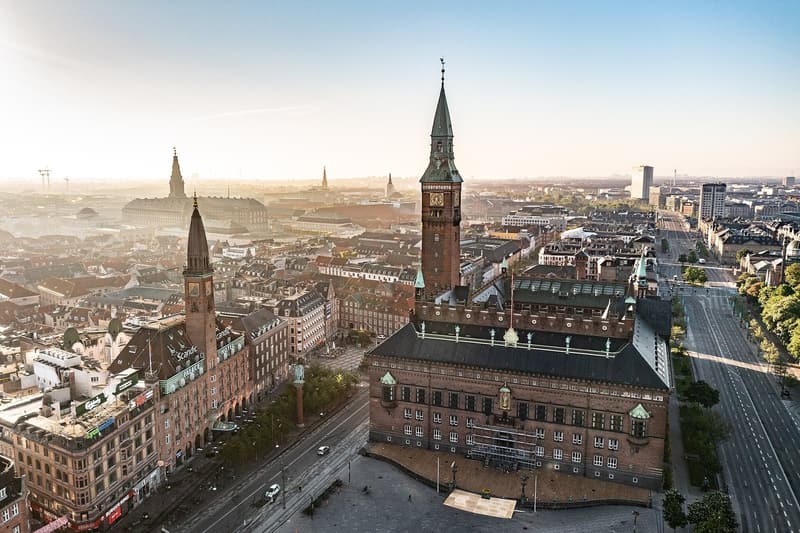
Massive protests hit Europe over living costs, wages and services
Representative photo · Photo: European Commission / Joshua Andrew Gros / Wikimedia Commons, CC BY 4.0
Thousands of demonstrators have rallied across 25 European countries, demanding action on high living costs, wages, public services, and military spending.
People across twenty-five European nations have taken to the streets in coordinated demonstrations, expressing deep anger over soaring everyday expenses, military budgets, and climate policies. The unrest, which highlights widespread public dissatisfaction, comes as citizens voice frustration with political leaders whom they accuse of ignoring youth concerns. Inspired by recent demonstrations in France, crowds gathered in countries such as the United Kingdom, Austria, Germany, Spain, Italy, Sweden, and Croatia.
In Italy, tens of thousands of workers and students flooded more than one hundred cities during a general strike called by the CGIL trade union. The action involved both public and private sectors, including schools and healthcare. Union leader Maurizio Landini noted the growing demand for change among ordinary citizens. Meanwhile, clashes and unrest were reported in several Italian cities, including Rome, Bologna, and Milan, following an earlier October mobilization that led the government to deploy the military alongside police.
Protests Europe in multiple nations
Germany also saw significant turnout, with the Gen Z campaign group organizing rallies across dozens of locations. Thousands gathered in Berlin at Alexanderplatz, while other cities saw demonstrations calling for increased education funding and opposing any return to compulsory military service. Similar youth-led events occurred in Austria, where police used pepper spray following disturbances, and in Croatia, where students boycotted classes across roughly a dozen cities to demand better public services and education investments instead of weapons.
Widespread European protests over living costs and wages show growing public discontent.
Statistical data highlights the underlying economic pressures driving the demonstrations. According to Eurostat, prices for essential items like food, energy, transport, and bills have surged by 59 to 78 percent since 2000 in countries including France, Italy, Spain, and Portugal. While real wages rose in some nations over the same period, Italy saw an average full-time wage decline of nearly five percent when adjusted for inflation.
Why it matters
The wave of demonstrations places intense pressure on political leaders and governments across the continent, directly affecting students, workers, and policymakers as budgetary debates unfold. While the text does not detail direct impacts on South Asia, the widespread unrest reflects global challenges regarding inflation, public spending priorities, and the rising cost of living that resonate internationally.
Sources
More like this
Police Search for Former Teacher After Missing Court Sentencing
Qatar Emir Al Thani Urges Diplomacy to Resolve Regional Conflicts

Far-right activist Danny Tommo jailed for slashing migrant boat