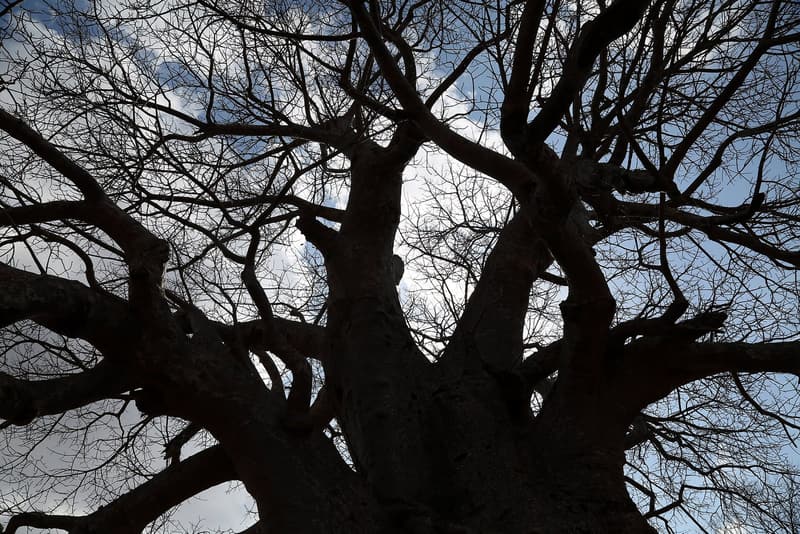
Race to Replant Five Ancient Baobab Trees in South Africa
Representative photo · Photo: flowcomm / Wikimedia Commons, CC BY 2.0
Conservationists are rushing to replant five centuries-old baobabs in South Africa after authorities intercepted the illegally transported trees.
Environmentalists in South Africa are engaged in a race to replant five centuries-old baobab trees following an unpermitted excavation by an exporter attempting to ship the giant flora thousands of miles away. The specimens arrived at a reserve located in Timbavati, situated in north-eastern South Africa, where teams will replant them and secure them with supporting cables to facilitate their recovery.
Prior to their relocation to the reserve, the massive vegetation remained stranded at a warehouse situated in Durban since July. Authorities previously intercepted the shipment, noting that the transporter moved the trees without obtaining the mandatory legal permits. Government officials from the department of forestry, fisheries and the environment verified that the cargo was destined for a buyer in Georgia, though officials withheld the specific identity of the purchaser.
The massive rescue effort encountered multiple setbacks due to the extreme logistical difficulties of moving exceptionally heavy flora. The five specimens weigh between 19 and 29 tonnes each, reaching heights of up to 12.5 metres and possessing diameters measuring up to 4.5 metres. Transporting such massive loads required specialized heavy-duty trucks capable of handling abnormal weights.
Experts note that moving these iconic plants remains a rare occurrence due to the immense difficulty involved in extraction, transport, and successful replanting. Specialists leading the current recovery operations indicate that the timing coincides with the annual dormancy period, offering a narrow window before spring triggers active growth and water consumption.
Conservationists in South Africa are racing to replant five massive, centuries-old baobab trees illegally uprooted by exporters.
Legal authorities have initiated criminal proceedings against the owner of a landscaping enterprise allegedly linked to the unauthorized harvesting and transport operations. Conservationists emphasize the irreplaceable ecological and cultural value of these ancient specimens, which serve as crucial biodiversity anchors supporting numerous local animal species.
Why it matters
The illicit removal and subsequent rescue operation highlight the severe vulnerabilities facing ancient botanical landmarks that function as vital ecosystems for local wildlife. The incident underscores the strict enforcement of national environmental laws designed to protect indigenous flora from unauthorized commercial exploitation.
Protecting these biological anchors ensures the preservation of regional biodiversity and historical heritage for future generations, preventing illegal trafficking of protected natural resources across international borders.
Sources
More like this
Uganda Landslide Survivors Take Case to UN Over Relocation

Official Forecast Predicts 10% Rise in Car Use in London Over Next Decade

Developer accused of environmental vandalism over hedgerow clearance