US Midterms Present a Test for Republican Texas Representative Redistricting
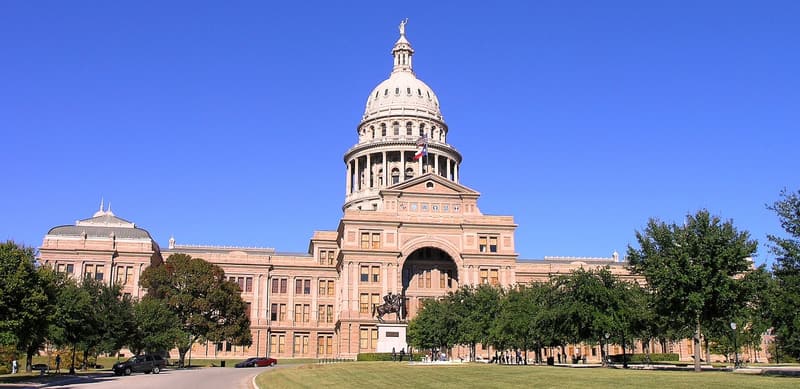
Representative photo · Photo: Daniel Mayer / Wikimedia Commons, CC BY-SA 3.0
Midterm elections in Texas highlight the impact of mid-decade redistricting on Black voters and congressional representation.
In the Sunnyside neighborhood of Houston, the upcoming US midterm elections have brought intense focus to the shifting boundaries of congressional districts. As voters consider their choice for a Republican Texas representative, the local community at Mount Hebron Missionary Baptist Church is grappling with the consequences of a rare mid-decade redistricting process that has altered their political landscape.
For two decades, this predominantly Black community was part of the ninth congressional district, which consistently elected Democrat Al Green. However, following an appeal from former President Donald Trump, the Republican-controlled state legislature redrew the maps last year. The church and its surrounding community were moved into the 18th district. Critics describe this tactic as "cracking and packing," arguing that it dilutes the electoral influence of minority groups by consolidating their voting power into fewer districts.
Mid-decade redistricting has significantly altered congressional representation for Black voters in Houston.
The Impact of Redrawn Maps
The consequences of these changes were immediate. Al Green was forced into a primary against the 18th district incumbent, Christian Menefee, ultimately losing his seat. Meanwhile, the ninth district was adjusted to favor Republican candidates, a strategy the party hopes will help them secure additional seats nationwide. Professor Michael Adams of Texas Southern University notes that this loss of descriptive representation may leave many Black voters feeling that their collective voice has been weakened.
While defenders of the new maps argue that the changes reflect population growth, shifting voter trends, and political considerations, others see a direct assault on civil rights. Pastor Max Miller of Mount Hebron suggests that the redistricting efforts are an attempt to manipulate the electoral process. The legal landscape has also shifted; a Supreme Court ruling in April made it significantly harder to challenge such maps by requiring proof of "racist intent," a standard that critics argue is excessively high.
This trend is not limited to Texas. Republican and Democratic legislatures across the country have engaged in similar redistricting efforts in states including Florida, Ohio, and Alabama. As voters head to the polls, the long-term effects of these atypical, mid-decade map changes remain a central issue in the national political debate.
Why it matters
The redistricting process has degraded longstanding guardrails designed to protect minority voting power. By redrawing maps to favor specific political outcomes, state legislatures have transformed the electoral pathways for minority communities, potentially reducing their influence in the US Congress.
Sources
More like this
Texas Senate candidates Paxton and Talarico make final appeals
California Bay Area Cities Impose Moratoriums on New Data Centres
New Data Reveals MPs Granting Lobbyists Unfettered Access to Parliament House