As Midterms Approach, Democrats Hope Polls Are Right
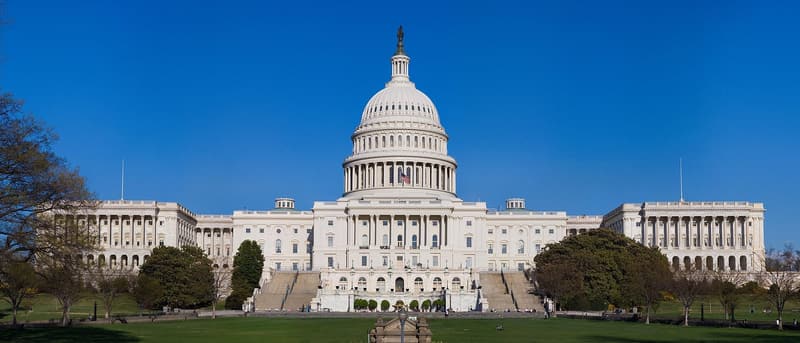
Representative photo · Photo: Noclip / Wikimedia Commons, Public domain
The Democratic Party enters the midterms with strong poll numbers and high expectations, but past polling errors leave room for caution.
The Democratic Party enters the upcoming United States midterm elections with significant optimism. Between a historically unpopular Republican administration, public frustration over high bills and food prices, and months of favourable numbers, the party hopes for strong results on Tuesday. Surveys indicate that democratic candidates currently hold leads in more than the 218 seats required to flip the House of Representatives, while remaining tied or narrowly ahead in critical Senate contests.
Democrats and Republicans
Recent surveys highlight this competitive landscape. A New York Times poll recently showed a tied Senate race in South Carolina, a state won by Donald Trump by a wide margin in 2024. Meanwhile, CNN surveys place Democrats ahead in Kansas, Maine, and Texas. Despite these promising indicators, modern political history demonstrates that public opinion surveys can miss the mark, even when conducted just days before an election. Pre-election surveys failed to predict Trump's victories in 2016 and 2024, and his narrow 2020 defeat occurred despite predictions of a much larger margin for Joe Biden. Primary contests earlier in the year also saw dramatic polling misses in states like Michigan and Wisconsin.
Polling inaccuracies and shifting voter behavior mean Democratic midterm expectations face serious uncertainty.
According to Clifford Young of Ipsos Public Affairs, reaching Americans has grown more difficult as traditional landlines disappear and call screening increases. Furthermore, many contacted individuals show reluctance to take part. Young notes that anti-establishment conservatives frequently avoid surveys altogether, potentially leading to undercounted Republican voters if polling models fail to adjust properly. This unpredictability creates severe challenges for forecasting the true composition of the electorate.
Historical trends often point to midterm losses for the sitting president's party, as seen in 2010 when Republicans captured numerous congressional seats amid a struggling economy. However, the current setup differs because the party in opposition faces territory that Trump previously won easily, alongside boundaries that limit competitive seat flipping and deep political polarization that leaves fewer swing voters.
Why it matters
These polling challenges and shifting electoral dynamics mean that strong survey numbers do not guarantee success on election night. Because many key Senate races sit within extremely narrow margins, even slight polling discrepancies could alter control of Congress.
Sources
More like this

Israeli Officials Confirm Election Results Stand Despite Fraud Claims
Why governors are important in the upcoming midterm elections

US Senator Chris Murphy Recovering After Suffering Stroke