Air traffic authorities propose respite and altitude changes for Brisbane noise
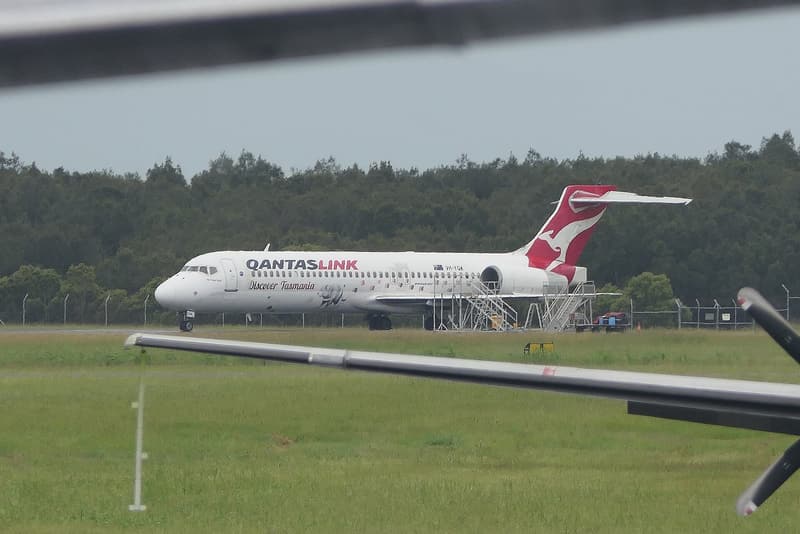
Representative photo · Photo: TactualGalaxy / Wikimedia Commons, CC BY-SA 4.0
Airservices Australia has released five options aimed at reducing aircraft noise for nearly 500,000 Brisbane residents following years of community frustration.
Federal air traffic authorities have put forward five potential approaches to lessen the impact of aircraft noise on local communities, six years after the opening of a major new runway at Brisbane Airport. The proposals include methods to provide scheduled breaks from noise and adjustments to flight altitudes.
Following the opening of the second runway in 2020, complaints lodged with Airservices Australia escalated significantly from fifteen to one hundred and ten in a single month. Since that time, residents and local groups have continuously pushed for relief while the airport operated at a higher capacity. Past reviews highlighted shortcomings in community engagement, prompting authorities to implement various initial adjustments such as increased over-water operations and night restrictions over land.
Reviewing flight paths and respite in Brisbane
The newly released options are part of the final noise action plan for the city. Air traffic management consultancy Trax International initially examined seventeen concepts, narrowing them down to seven before two were dismissed by the oversight body. Independent advocacy groups have criticised the latest package as inadequate, whereas Airservices Australia maintains the proposals offer meaningful opportunities for relief.
Two of the five options focus on providing scheduled respite. These approaches would involve utilising only one southern runway end outside of peak periods during northerly wind conditions, which occur roughly thirty-seven percent of the year. Alternate scheduling would give affected neighborhoods temporary relief from arrivals between peak traffic windows. However, the report cautions that planned measures do not guarantee complete freedom from overhead aircraft.
The remaining three options propose operating flights at higher altitudes to decrease noise levels without altering the actual flight path locations. Two of these options would apply during the overnight hours between ten o'clock and six o'clock due to daytime height constraints, while the third option would apply during both day and night operations.
Air traffic authorities propose flight path and altitude adjustments to give hundreds of thousands of residents relief from aircraft noise.
According to transport officials, the combined measures could grant period-based noise respite to nearly 482,000 residents, while another 139,000 people could experience reduced noise levels through improved arrival profiles that limit level flight requirements.
Why it matters
The ongoing debate over airport operations highlights the persistent challenge of balancing aviation capacity with residential amenity. The introduction of these proposed changes could alter daily noise patterns for hundreds of thousands of people in the region, reflecting broader tensions between municipal growth and community liveability.
Sources
More like this

Understanding what's El Niño mean for North American weather
UK Legal Protections for Environmental Challenges Under Review

Dorset Hosts Youth and Community Events to Coincide with Climate COP 31