Robot Vessels Take on Dangerous Work of Mine Hunting
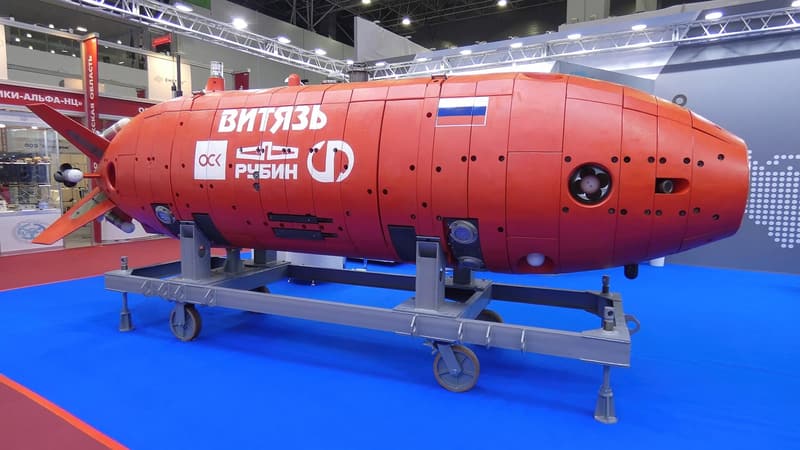
Representative photo · Photo: Kirill Borisenko / Wikimedia Commons, CC BY-SA 4.0
Navies are increasingly deploying robotic vessels to clear hazardous sea mines, keeping human sailors out of dangerous waters.
Navigating the Strait of Hormuz remains among the riskiest maritime journeys globally. Beyond aerial threats from drones and missiles, hidden underwater mines present a severe danger to passing vessels. These devices can rest on the seabed, triggering devastating explosions when they detect acoustic or magnetic signals, or they can float and rise through shallow waters. Because mines provide an inexpensive method for waging naval warfare, their mere presence is enough to halt tanker fleets. Traditionally, locating these underwater hazards required specialized mine-hunting vessels staffed by large crews of around 80 sailors.
To safeguard human lives, military forces are turning to robotic vessels and autonomous systems operated remotely from shore-based control centers. These portable technologies require only a fraction of the personnel, making them particularly appealing amid ongoing naval recruitment challenges. During previous conflicts, the United States military utilized compact, torpedo-shaped underwater robots like the Remus 100 to scan the seabed using sonar, sparing divers from hazardous tasks. More recently, conflicts in the Gulf have provided testing grounds for advanced autonomous craft, including uncrewed underwater vehicles and surface water launches equipped with high-resolution sonar and artificial intelligence software.
Autonomous robotic vessels allow navies to clear dangerous sea mines without putting human sailors at risk.
Defense organizations around the world are embracing this shift toward uncrewed maritime technology. Collaborative efforts have produced automated surface launches packed with advanced sensors capable of distinguishing modern, well-camouflaged mines from their surrounding environments. If an uncrewed system encounters trouble or faces capture by foreign forces, sensitive computer drives can be wiped or destroyed remotely. Furthermore, these autonomous setups are significantly cheaper than traditional minehunters and can be deployed rapidly by air alongside containerized control stations.
Why it matters
The ongoing integration of autonomous maritime technology transforms how naval operations address underwater threats by removing human crews from high-risk zones. By testing these systems in volatile regions like the Gulf, military forces can refine capabilities for securing critical shipping lanes while mitigating the risks of personnel capture or loss.
Sources
More like this

IBM Ends Most US Foreign Worker Sponsorships in Major Division
E-bike battery explodes inside Oregon home

UK under-16 social media ban could unintentionally restrict YouTube Kids