
Moving Beyond the First Move in Iran-US Diplomacy
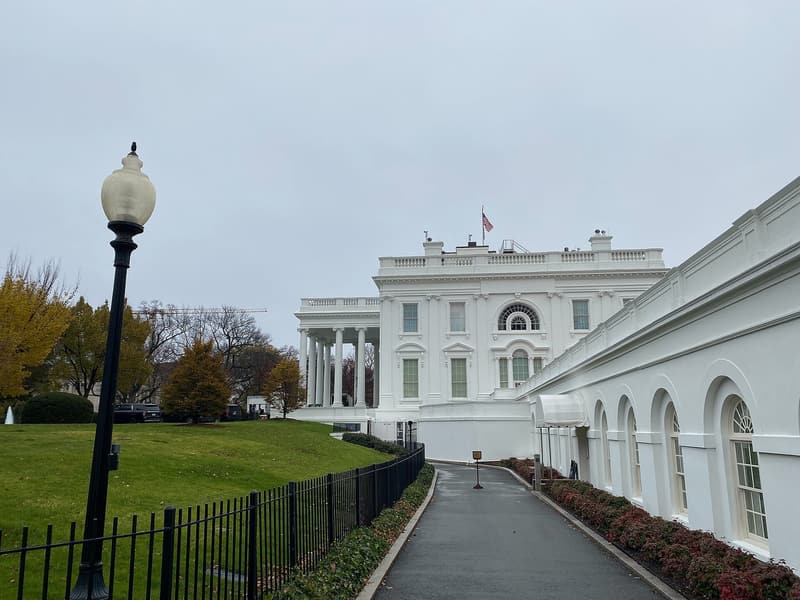
Representative photo · Photo: Salehi1990mohsen / Wikimedia Commons, CC BY-SA 4.0
Breaking the long-standing diplomatic deadlock between Washington and Tehran requires shifting from unilateral demands to a framework of verified, synchronized actions.
For nearly two decades, the central question haunting Iran-US diplomacy has been who should move first. While many wonder who attacked first in Iran-US tensions, the current diplomatic crisis suggests that asking who initiates action may no longer be the most productive approach. Instead, the real challenge lies in whether both nations can move together through a process of reciprocal, verifiable steps.
The Dilemma of Sequencing
The current dispute over the Strait of Hormuz highlights this friction. Tehran demands the lifting of naval blockades and sanctions before negotiations, while Washington insists that any diplomatic process must prioritize the nuclear issue. This standoff reflects a recurring pattern where both sides demand confidence-building measures as a prerequisite for engagement. Historically, this dilemma was managed through the 2013 Joint Plan of Action and the 2015 JCPOA, which utilized phased, reversible commitments. These agreements linked Iranian nuclear restrictions with phased sanctions relief, verified by the International Atomic Energy Agency.
However, the 2018 US withdrawal from the JCPOA left a legacy of deep mistrust. Iran now seeks durable political guarantees, while US policymakers worry that early economic relief could diminish their negotiating leverage. Critics argue that simultaneous implementation is unrealistic, yet the alternative of abandoning reciprocity has proven ineffective. The solution likely lies in designing stronger, third-party verification mechanisms rather than relying on trust alone.
Breaking the deadlock requires coordinated, verifiable concessions, not demands for one side to act first.
Recent diplomatic efforts, including a June memorandum of understanding supported by Qatar, have already begun exploring this path. By linking specific Iranian actions to clearly defined US responses—all monitored by international bodies—both governments could gain the political space needed to compromise without appearing to surrender under pressure. Moving forward, the success of these negotiations will depend on replacing the politics of the first move with the discipline of synchronized, measurable obligations.
Why it matters
The reliance on confrontation has historically led to military escalation and energy uncertainty, impacting global stability. Transitioning to a model of verified, synchronized action could de-escalate tensions in the Strait of Hormuz, which is vital for global energy security and regional stability in the Middle East and beyond.
Sources
More like this
Oil prices drop as Trump declares US war on Iran is ending

France summons Iran ambassador over supermarket fridge attack

Pakistan anchor Rabiya Ahsan shot dead at home