Will the US Blue Wave Signal a Turning Point for Europe?
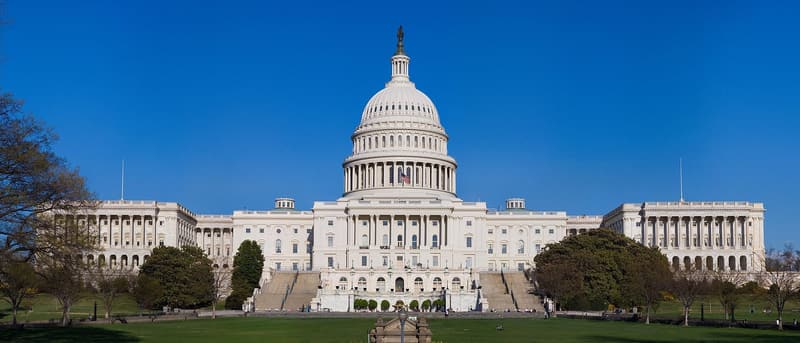
Representative photo · Photo: Noclip / Wikimedia Commons, Public domain
The recent US midterm results have provided relief to European leaders, but experts warn that the continent remains vulnerable to ongoing political volatility.
The recent US midterm elections, characterized by a significant blue wave, have sparked intense debate across the Atlantic regarding the future of transatlantic relations. While European capitals have expressed relief at the results, political analysts caution that the immediate challenges facing the continent remain substantial. Many are now questioning if this democratic shift in Washington will truly alter the trajectory of European politics or if the influence of populist movements will persist.
The lingering threat of political volatility
Despite the Democratic gains, experts like Nathalie Tocci suggest that the outgoing administration may become increasingly confrontational on the world stage. European leaders fear that the US president could leverage his foreign policy powers to impose new trade tariffs or disrupt security arrangements, particularly regarding Ukraine. Furthermore, Blanche Leridon of the Institut Montaigne notes that the new congressional majority may not prioritize repairing relations with Europe, as the internal factions within the Democratic Party remain divided on foreign policy goals.
The US midterms demonstrate that democratic engagement can challenge rising populism, though European risks persist.
In various European nations, the political landscape remains complex. While some populist figures have attempted to distance themselves from the American political brand to avoid electoral fallout, others continue to poll well by focusing on domestic grievances such as inflation and housing. In France, for example, the National Rally has sought to separate its platform from US-style populism, citing the potential negative impact on the cost of living. Meanwhile, in Spain, the upcoming elections represent a critical test for the balance between socialist and right-wing forces.
Ultimately, some observers view the US results as part of a broader, hopeful trend of democratic resilience following elections in Hungary, Serbia, and Brazil. This sequence of events has prompted discussions about whether mainstream parties in Europe can effectively channel public frustration into constructive political change, rather than allowing it to fuel anti-system sentiment.
Why it matters
The US election results signify a potential shift in global democratic momentum, affecting how European governments manage domestic populism and international alliances. For international observers, this transition highlights the ongoing struggle to address voter concerns regarding economic stability and democratic representation in an era of global uncertainty.
Sources
More like this

Tundu Lissu Sentenced to Four Years in Prison Following Treason Trial

Golden Trump ‘Foot Soldier’ statue appears on Washington’s National Mall
House Republicans Block Pete Hegseth Impeachment Resolution