Russia's Mega-Rich Are Already Imagining a Future After Vladimir Putin
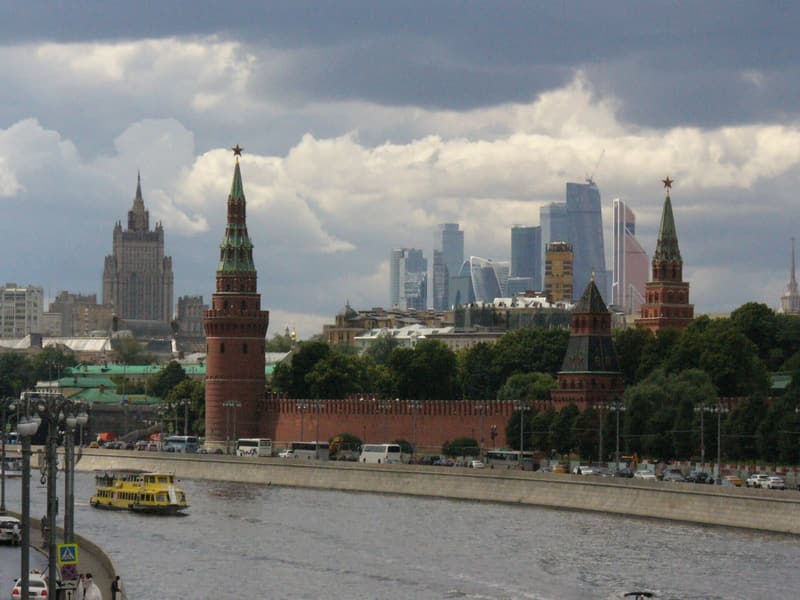
Representative photo · Photo: Mia Primavera / Wikimedia Commons, CC0
As Russia's wealthy business elite face ongoing war constraints and sanctions, some are quietly looking ahead to a post-Vladimir Putin era.
Hours after launching a full-scale invasion of Ukraine in February 2022, President Vladimir Putin gathered Russia's richest men in the Kremlin. As they sat silently in pandemic-era face masks across a vast hall, the message was clear: business leaders were expected to support the government's economic and production goals. That silence has since become characteristic of the Russian super-rich. Having witnessed prominent critics face severe legal consequences over decades of Putin's rule, the country's business elite have largely kept their thoughts to themselves.
Yet, despite strict control and a policy of carrots and sticks that has left Russia with a record number of billionaires, murmurings persist. Some members of the wealthy business class are quietly imagining a Russia after Vladimir Putin. They wonder if the country might eventually return to the 1990s system of oligarchy, when businessmen enjoyed substantial political influence, or if a healthier political system could emerge. Analysts note that a historic political shift is occurring in how the ultra-rich view the nation's future.
Life Under Pressure and the Search for Influence
During the wild 1990s following the Soviet collapse, powerful oligarchs amassed immense fortunes almost overnight and sought to control politicians for personal benefit. When Putin came to power in 2000, he quickly subjugated the billionaires, transforming them from dominant alpha figures into subordinate actors. Financing the war effort has brought rewards for loyalists, with collective wealth reaching nearly $700 billion. However, these fortunes no longer buy domestic political influence, and Western sanctions have left many tycoons ostracised abroad, unable to fly private jets or dock luxury yachts in Europe.
Russian tycoons are quietly imagining a future after Vladimir Putin, wondering if a 1990s-style oligarchy could return.
Although Putin is only 74 and has not signaled an imminent departure, analysts and observers are already considering potential scenarios for when he eventually leaves office. While some hope for a democratic shift, experts caution that decades of eroded democratic institutions make a smooth transition unlikely, leaving the country's ultimate post-Putin direction uncertain.
Why it matters
This quiet speculation among Russia's business elite highlights the underlying fragility and restrictions faced by the country's wealthiest individuals under current leadership. Understanding these internal dynamics offers insight into how future political shifts in Moscow could reshape global economic and diplomatic landscapes.
Sources
More like this
Infamous Mexican Drug Lord Miguel Angel Felix Gallardo Dies at 80

Sunrise today patna: Chhath Puja celebrations and traditions
Paris Police Ban Protests Near Schools and Universities