Business
Zambia Boosts Mining Investment to Drive Copper Production Growth
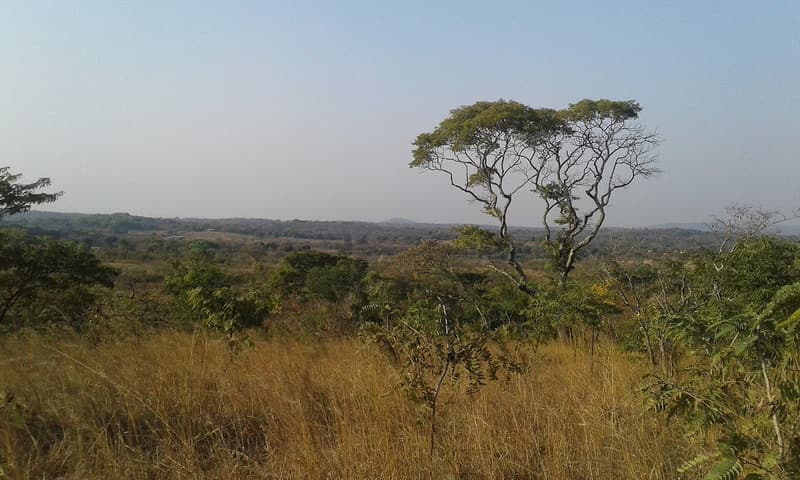
Representative photo · Photo: ChaloNiZambia / Wikimedia Commons, CC BY-SA 4.0
Representative photo · Photo: ChaloNiZambia / Wikimedia Commons, CC BY-SA 4.0
Zambia attracts billions in mining investments to boost copper production, but labor and environmental challenges persist.
Zambia is drawing massive financial commitments as the nation positions itself as a key provider of critical minerals essential for the global transition to clean energy. With foreign corporations expanding their activities and new initiatives launching, questions remain regarding how much local populations benefit from this rising mineral wealth.
President Hakainde Hichilema reported that funding exceeding twelve billion dollars has entered the sector since two thousand twenty-two, driven by state efforts to elevate output and welcome fresh capital. Major contributors feature Canadian enterprises First Quantum Minerals and Barrick Mining Corporation, India-based Vedanta Resources, and China Nonferrous Metal Mining Group. Additionally, Abu Dhabi entity International Resources Holding invested one point one billion dollars for a majority stake in Mopani Copper Mines alongside state-owned ZCCM Investments Holdings.
To accelerate exploration, officials nearly completed a comprehensive aerial geophysical survey while targeting an ambitious output increase to three million tonnes annually by two thousand thirty-one. Beyond raw exports, the administration seeks to expand local value addition and collaborate with the Democratic Republic of the Congo and South Africa for electric vehicle battery manufacturing.
Zambia targets three million tonnes of annual copper production by 2031 amidst rising investments.
Despite high copper prices and capital inflows, labor representatives note that conditions for mineworkers remain difficult amid soaring production costs and regional climate challenges. The rapid expansion has also triggered environmental worries following an accidental acidic waste spill from a tailings dam into local river systems in early two thousand twenty-five.
Workers' rights, environmental concerns and local businesses remain at the centre of the debate. Balancing foreign capital inflows with community welfare and environmental safety is vital for sustainable economic growth.