Seattle Chief Technology Officer Discusses Cybersecurity and Surveillance Privacy
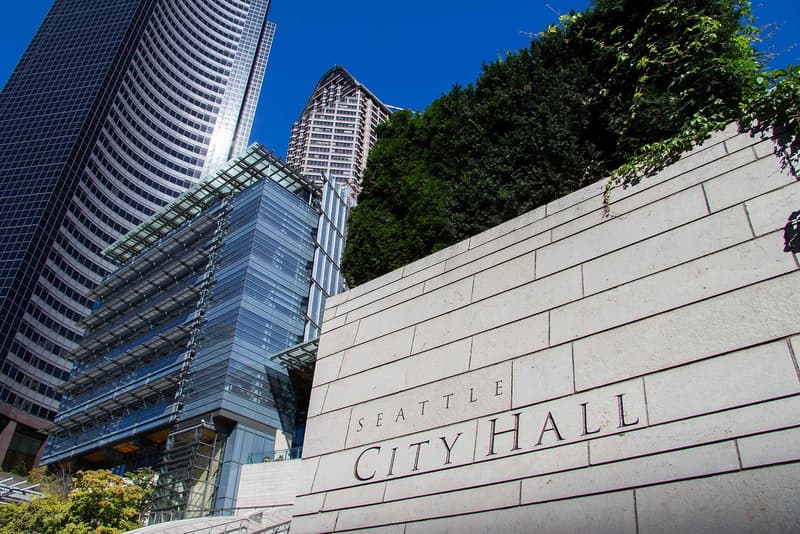
Representative photo · Photo: Seattle City Council from Seattle / Wikimedia Commons, CC0
Seattle's new Chief Technology Officer, Shannon Smith, outlines the city's approach to cybersecurity threats, AI risks, and data privacy for municipal surveillance cameras.
Shannon Smith, recently confirmed as Seattle’s Chief Technology Officer, has begun her tenure by addressing the city's digital infrastructure and security protocols. While residents often search for information regarding Seattle emergency preparedness in the face of natural disasters, Smith is focused on the growing digital threats facing the municipality. In a recent interview, she highlighted the challenges of maintaining robust security in an era of rapid technological advancement.
Managing Cybersecurity and AI
Smith noted that the speed at which cybersecurity threats evolve, particularly with the integration of artificial intelligence, remains a primary concern. She emphasized that while the city’s IT department is flexible and curious, the human element remains the most critical line of defense. Smith advocates for constant vigilance among staff, urging employees to be skeptical of suspicious emails or unusual requests for password changes. She humorously advised that any stray thumb drives found in parking lots should be used for decoration rather than inserted into city computers.
Seattle's technology department prioritizes human vigilance and strict data privacy to counter evolving cyber threats.
Surveillance and Data Privacy
Regarding the expansion of the city’s surveillance camera pilot program into new neighborhoods, Smith addressed concerns about data privacy. She explained that the city has conducted audits to ensure that sensitive information, such as views of health clinics, is masked. Furthermore, the city has implemented policies to ensure that third-party partners do not provide camera data to federal agencies, including ICE and Homeland Security. This approach aligns with Seattle’s status as a sanctuary city, aiming to restrict data usage strictly to authorized municipal purposes.
Smith expressed confidence in the city's security operations center, noting that Seattle has invested heavily in monitoring tools. She acknowledged that the city can no longer rely solely on federal information, necessitating a self-reliant approach to identifying and mitigating potential breaches.
Why it matters
This shift in policy reaffirms Seattle's commitment to data privacy and local control over municipal surveillance systems. By explicitly barring federal agencies and private partners from accessing city camera data, the administration is reinforcing its sanctuary city policies. This highlights the growing tension between urban digital autonomy and federal oversight, a trend relevant to municipal governments worldwide managing sensitive citizen data.
Sources
More like this

International UN Talks Collapse Over Autonomous Weapons Mandate

USDA and FBI Hit by Cyber Breaches Amid Ongoing Tech Outages

Anthropic Researcher Uses Claude AI to Tackle Major Math Problem