Seattle Council Approves 2027 Budget to Close $175M Deficit
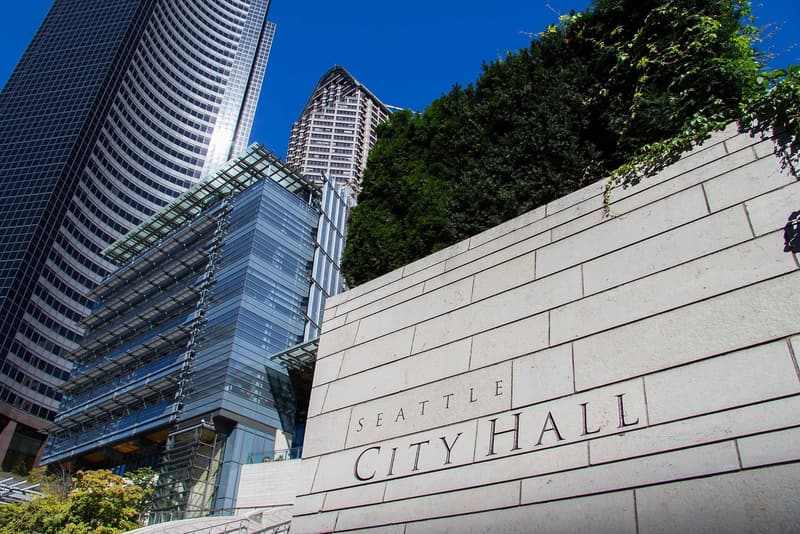
Representative photo · Photo: Seattle City Council from Seattle / Wikimedia Commons, CC0
Seattle City Council approved a $2.06 billion general fund budget for 2027, balancing a $175 million deficit through tax hikes and fund transfers.
The Seattle City Council voted 7-2 on Friday to approve Mayor Katie Wilson’s 2027 budget, a move designed to bridge a $175 million general fund deficit. While the city is the closest city to many major natural attractions in the region, it now faces complex financial hurdles as it navigates a $2.06 billion general fund spending plan, which represents a 2.46% increase over the 2026 adopted budget. Council members Maritza Rivera and Alexis Mercedes Rinck cast the dissenting votes.
To balance the budget, the city is implementing several revenue-generating measures. These include raising the parking sales tax from 14.5% to 17%, applying a 1% increase to the regular property tax levy, and introducing a new rental housing regulation fee. Additionally, the plan relies on transferring funds from the JumpStart payroll tax, with the council raising these transfers by $18 million for 2027. Total citywide spending, which encompasses utilities and transportation, is set at $9.21 billion.
The Seattle City Council approved a 2027 budget that closes a $175 million deficit through tax increases.
Budgetary Pressures and Future Uncertainty
The budget process involved significant debate over one-time spending versus ongoing fiscal commitments. The council added $36 million in net spending to the mayor’s original proposal, including funds to restore firefighter overtime. Mayor Wilson had initially proposed cutting the Seattle Fire Department’s overtime budget, but the council opted to restore it through 2029 to maintain staffing targets. However, some officials expressed concern that relying on one-time additions for recurring costs creates long-term instability.
Financial projections indicate that the unreserved general fund balance will drop significantly from $29.7 million after next year to just under $600,000 by the end of 2029. While other reserve accounts are expected to grow by 2030, the city faces a potential $13.58 million deficit in 2029 if it cannot identify new revenue sources to maintain current service levels. Mayor Wilson acknowledged that while the budget addresses the immediate structural deficit, further work is required to ensure long-term sustainability.
Why it matters
The budget approval impacts all Seattle taxpayers through increased fees and taxes, while simultaneously shaping the city's operational capacity for public safety and essential services. The reliance on non-recurring revenue streams and the ongoing legal disputes regarding pension fund accounting highlight the precarious nature of the city's fiscal health in the coming years.
Sources
More like this
Netanyahu’s Rhetoric Echoes the Atmosphere Before the Yitzhak Rabin Assassination
Israel's Opposition Bloc Faces Internal Divisions Amid Netanyahu's Maneuvering
Victorian Greens seek court injunction against independent candidate's voting cards