Senate Republicans reject war powers resolution to halt Iran conflict
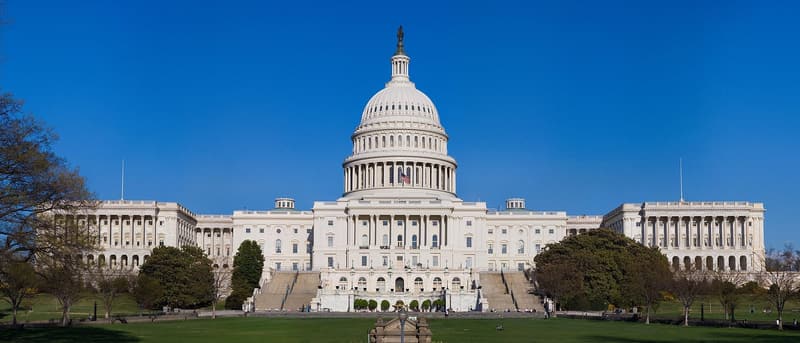
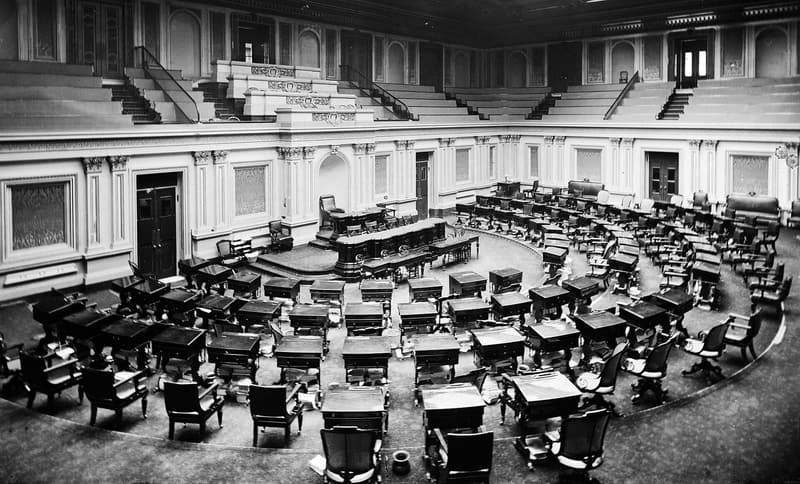
Representative photo · Photo: Brady-Handy Photograph Collection (Libra / Wikimedia Commons, Public domain
The U.S. Senate voted 48-51 against a war powers resolution intended to force an end to military operations in Iran, maintaining the status quo.
The U.S. Senate on Thursday rejected a war powers resolution aimed at compelling Donald Trump to cease military operations in Iran. The measure failed in a 48-51 vote that divided largely along party lines, underscoring the ongoing tension between Senate Republicans and Democrats regarding the conflict that began in February with a joint U.S.-Israel attack.
This legislative attempt follows an earlier approval of the resolution by the House of Representatives in September. It marks the first such vote in either chamber since the November 3 election, which saw the GOP lose control of both houses of Congress for the upcoming term.
The Senate rejected a war powers resolution to stop Iran fighting in a narrow 48-51 vote.
Voting patterns revealed significant internal party divisions. John Fetterman of Pennsylvania was the only Democrat to vote against the measure. Conversely, only three Republicans—Susan Collins of Maine, Rand Paul of Kentucky, and Lisa Murkowski of Alaska—supported the resolution. Democratic Senator Chris Murphy was absent from the vote due to a recent stroke.
Legislative history and public sentiment
Since the initiation of the conflict, Democrats have introduced a series of war powers resolutions. While Republican allies of the president have successfully blocked most of these, one version managed to pass both chambers in June. However, that resolution did not result in a change of policy, as the administration continued the military campaign. This has prompted renewed efforts by lawmakers to invoke the 1973 War Powers Act to mandate an end to the fighting.
Public opinion remains a critical factor, as polls indicate the conflict is unpopular. The ongoing military engagement has been linked to rising costs for gasoline and diesel across the United States. Despite these pressures, many Republicans have remained steadfast in their support for the administration’s position. This includes outgoing senators such as Thom Tillis of North Carolina and Bill Cassidy of Louisiana, the latter of whom had previously provided critical support for the June measure.
Why it matters
The failure of this resolution ensures that the current military engagement in Iran will continue without a formal congressional mandate to halt operations. This outcome highlights the deep divide between the two parties regarding executive war powers and the long-term political consequences of a conflict that contributed to significant shifts in the recent midterm elections.
Sources
More like this
John Fetterman Backs Schumer for Leader and Considers 2028 Re-election Bid

Judge Allows Trump Lawsuit Against The New York Times to Proceed
Judge blocks Trump restrictions on HIV funds for transgender care